


| Issue |
Knowl. Manag. Aquat. Ecosyst.
Number 427, 2026
Freshwater ecosystems management strategies
|
|
|---|---|---|
| Article Number | 7 | |
| Number of page(s) | 14 | |
| DOI | https://doi.org/10.1051/kmae/2025033 | |
| Published online | 06 February 2026 | |
Review Paper
Ecology, threats, and conservation of the spirlin Alburnoides bipunctatus (Bloch, 1782)
1
Management of Aquatic Resources and Aquaculture Unit, Freshwater and Oceanic Science Unit of Research-FOCUS, University of Liège, Liège, Belgium
2
Department of Ecology and Vertebrate Zoology, University of Łódź, Banacha 12/16, 90-237 Łódź, Poland
3
Department of Biology and Ecology, Faculty of Science, University of Kragujevac, Radoja Domanovića 12, 34000 Kragujevac, Serbia
* Corresponding author: This email address is being protected from spambots. You need JavaScript enabled to view it.
Received:
2
October
2025
Accepted:
17
December
2025
Abstract
Leuciscid fishes play a crucial role in riverine ecosystems due to their high abundance, diverse life-history strategies, and specific habitat requirements. The spirlin (Alburnoides bipunctatus) is a rheophilic, lithophilic, and oxyphilic species, highly sensitive to pollution. Because of its strict ecological requirements, it is particularly vulnerable to anthropogenic disturbances, making it a valuable bioindicator of habitat quality in the middle to upper river zones within its distribution range. This paper aims to synthesize existing scientific knowledge on various aspects of spirlin ecology, based on an extensive review of the literature. It addresses key topics such as European distribution, morphology and identification, reproduction and life cycle, diet, movement patterns of both adults and juveniles, and habitat preferences across life stages. Furthermore, it provides an overview of human impacts on the species’ natural ecology and conservation status. A set of key research questions is proposed to stimulate further research and support the development of effective conservation strategies. This review is intended to support researchers in aquatic and fisheries sciences, river managers, and conservation practitioners.
Key words: specialized species / small riverine species / conservation / ecology / threats
© M. Ovidio et al., Published by EDP Sciences 2026
 This is an Open Access article distributed under the terms of the Creative Commons Attribution License CC-BY-ND (https://creativecommons.org/licenses/by-nd/4.0/), which permits unrestricted use, distribution, and reproduction in any medium, provided the original work is properly cited. If you remix, transform, or build upon the material, you may not distribute the modified material.
1 Introduction
The spirlin, Alburnoides bipunctatus (Bloch, 1782), a small-bodied riverine leuciscid, is a gregarious freshwater fish species of limited commercial importance, yet of increasing conservation interest (Copp et al., 2010). It typically inhabits submontane regions, particularly the transitional zone between the “grayling zone” (Thymallus thymallus, Linnaeus, 1758) and the “barbel zone” (Barbus barbus, Linnaeus, 1758) (Huet, 1949; Copp et al., 2010). A. bipunctatus is classified as a highly specialized rheophilic species whose entire life cycle occurs in flowing river habitats with structured substrates (Schiemer and Waidbacher, 1992). It is most commonly found in association with brown trout Salmo trutta, European minnow Phoxinus phoxinus, barbel Barbus barbus, gudgeon Gobio spp., and chub Squalius cephalus (Copp et al., 2010), but may also co-occur in smaller numbers with more eurytopic species such as Perca fluviatilis Linnaeus, 1758 (Jakovljević et al., 2023).
Jakovljević et al. (2024) highlighted that A. bipunctatus may function as an early-warning indicator of environmental degradation in freshwater systems, as incipient habitat changes are reflected in early and measurable shifts in population-level characteristics. Accordingly, monitoring A. bipunctatus provides integrative insight into the ecological condition of rivers by capturing population-level responses to cumulative environmental pressures across its distribution range.
This view is corroborated by large-scale studies that identified anthropogenic alterations of natural flow regimes, primarily the construction of dams and weirs, as the main factors limiting the occurrence of A. bipunctatus (Marszał and Smith, 2024). These studies also found that the likelihood of spirlin occurrence increases with local fish species richness, likely reflecting higher habitat heterogeneity and greater ecological integrity. These findings are consistent with earlier research by Kainz and Gollmann (1990), who noted that the species’ frequency of occurrence is influenced by channel complexity and the structure of the accompanying fish assemblages. Additionally, they emphasized the importance of thermal conditions, reporting that the most abundant populations in Austria occurred in warmer streams where water temperatures during the spawning season (May–June) reached at least 18 °C.
However, more recent studies (Jakovljević et al., 2023, 2024) documented a greater degree of ecological plasticity in the species, particularly in parts of its range in the Central Balkans (Serbia), where A. bipunctatus demonstrated a dual ecological strategy. While it remains sensitive to environmental disturbances, it also shows the ability to persist in physically and chemically degraded aquatic habitats. This combination of rheophilic preference and tolerance of modified conditions highlights the species’ flexible survival strategy and close dependence on local habitat conditions.
Despite this ecological significance, the spirlin remains poorly studied. Between 1993 and 2025, a bibliographic search using Scopus revealed only around 100 peer-reviewed publications mentioning the keywords “alburnoides” and “bipunctatus”. Older references (<1993) were also found using Google Scholar and the consultation of grey literature or the bibliography of former articles. Of these, n=92 were directly relevant to spirlin ecology. The remaining studies were related to unrelated fields such as medicine, chemistry, computer science, or mathematics. Within the domains of agriculture and environmental sciences, the annual number of publications ranged from one to six, with a peak in 2012.
Taxonomic uncertainties, including the description of cryptic species and reclassification within the genus (e.g., Stierandová et al., 2016; Turan et al., 2017), further complicate ecological assessments, limiting clear definitions of the species' distribution and hindering consistent ecological monitoring. This review addresses those challenges by synthesizing the current state of knowledge on A. bipunctatus, identifying key knowledge gaps, and proposing a set of research priorities to guide future studies. Particular attention is paid to ecological threats posed by human activity and climate change. The paper aims to support both the development of targeted conservation measures and the broader understanding of riverine fish ecology.
2 Morphology and identification
The spirlin has a relatively deep, laterally compressed body and a terminal, nearly horizontal mouth (Fig. 1). Pharyngeal teeth are arranged in two rows. The anal fin is noticeably longer than the dorsal fin. The body coloration is predominantly silvery, with a dark band along the upper lateral side and a curved lateral line consisting of 44–52 scales. This lateral line is flanked by black pigment spots arranged in two parallel rows, which gives the species its Latin name (bipunctatus) (Siryová, 2004). The eyes are relatively large in proportion to the head. The anal fin is long and well-developed. Orange pigmentation is present at the base of the pectoral, pelvic, and anal fins (Fig. 1). Juveniles can be identified at a very early age by the presence of a thin black line along the spine (Persat, 2020).
Ontogenetic changes in external morphometric traits are believed to reflect increasing specialization for complex, lotic microhabitats, as well as morphological developments associated with sexual maturation (Kováč et al., 2006). Spirlin populations in the Nišava River display considerable morphological plasticity, which appears to be closely related to both spatial distribution and mesohabitat characteristics (Živković and Jovanović, 2011). According to Siryová (2024), none of the 43 morphometric traits examined were found to be useful for sex differentiation. Thus, sexual dimorphism in A. bipunctatus appears to be either absent or very limited (Siryová, 2024).
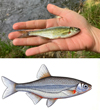 |
Fig. 1 Photo of a spirlin captured in the river Lienne, Belgium. Schematic representation of the spirlin with the position of the fins and lateral stripe (image generated by AI with the help of a photo). |
3 Repartition and abundance of populations
The spirlin, was historically considered to have a broad distribution across Europe and parts of Central Asia, including regions of Turkey and Iran (Lelek, 1987; Bogutskaya, 1997; Živković and Jovanović, 2011). However, based on comprehensive morphological and genetic investigations describing new species within the genus Alburnoides (e.g., Bogutskaya and Coad, 2009), the most recent IUCN Red List assessment (Ford, 2024) has resulted in a substantial revision and contraction of its recognized native range. Currently, A. bipunctatus is considered native to freshwater systems in Central and Western Europe, within the drainage basins of the North Sea, Baltic Sea, Mediterranean Sea, and Black Sea. Concurrently, recent biogeographical assessments indicate anthropogenic translocations of Alburnoides beyond its native range. For example, a population was documented in the Neretva basin (Bosnia and Herzegovina) and identified by molecular methods as an non indigenous Alburnoides lineage, likely originating from the Danube basin (Vukić et al., 2019). In France, A. bipunctatus was introduced into the Ariège basin in 2012 and has since expanded its distribution within the Garonne basin, reportedly covering more than 350 km over 9 years (Quoquillaud, 2022). At the global scale, the species was assessed as Least Concern (LC) in 2011 but was subsequently listed as Not Evaluated (NE) between 2022 and early 2023. In the most recent IUCN assessment (2024), it was reclassified once again as Least Concern, although this was accompanied by caveats regarding local threats and insufficient data to determine overall population trends (Ford, 2024). Moreover, across Europe, A. bipunctatus shows a wide gradient of national conservation statuses—from Near Threatened to Critically Endangered —primarily driven by hydromorphological alterations, pollution, habitat fragmentation, and species introductions, while protection measures generally include national legal protection, habitat restoration, water-quality improvement, and reinforced population monitoring (Jakovljević, 2025).
These shifts in distributional recognition and conservation status emphasize the importance of synthesizing and updating available data, as discrepancies between earlier literature and recent assessments can significantly influence ecological interpretation and conservation priorities.
Historically, A. bipunctatus was reported as widespread and abundant across large parts of Europe (Lelek, 1987; Bogutskaya and Coad, 2009). During the 1960s and 1970s, populations were particularly robust—for instance, in the Vistula River basin, the species accounted for up to 37% of total fish assemblages in the San River (Skóra, 1972) and up to 25% in the Drwęca River (Backiel, 1964). In the Rokytná River (Czech Republic), its average relative abundance was recorded at 22.4% (Lelek and Lusk, 1965). However, a substantial decline in population density was observed in many European countries in the latter half of the 20th century, largely associated with a deterioration in water quality and increasing anthropogenic pressures (Marszał and Przybylski, 1996; Treer et al., 2006). By the 1980s and 1990s, the species was considered severely threatened or near extinction in several European regions (Lelek, 1987; Herzig-Straschil, 1991).
In recognition of these threats, the spirlin was listed in Annex III of the Bern Convention on the Conservation of European Wildlife and Natural Habitats (1979), as a protected species (Breitenstein and Kirchhofer, 2000a; Jakovljević et al., 2023). The decline in abundance has been primarily attributed to a suite of anthropogenic stressors, including nutrient enrichment and eutrophication, sedimentation and degradation of spawning habitats, and hydromorphological alterations caused by river regulation and damming (Kruk, 2007; Marszał and Przybylski, 2024). Additional pressures include stocking or introduction of salmonids, which may affect recruitment success through predation, competition, and alterations of the food web (Penczak, 1999; Jakovljević et al., 2023).
However, some regional studies have reported signs of recovery and local increases in spirlin abundance (Breitenstein and Kirchhofer, 2000a; Treer et al., 2006; Kruk et al., 2016; Benitez et al., 2022; Irz et al., 2024). In the River Aare (Switzerland), high densities of juveniles indicate strong reproductive output, while seasonal migrations contribute to the recolonization of newly accessible habitats (Breitenstein and Kirchhofer, 2000a). A. bipunctatus is subject to pronounced interannual variability in abundance, driven by fluctuations in physicochemical conditions, food availability, and predation pressure—particularly from piscivorous species such as brown trout (Salmo trutta) (Kainz and Gollmann, 1990). Furthermore, it should be borne in mind that for a small species like the spirlin, there can be schooling effects that sporadically increase abundance during fish pass monitoring and electrofishing surveys.
As with many small-bodied species, spirlin populations experience high natural mortality, which is compensated by traits such as early maturation and high fecundity, enabling rapid recovery after disturbances (Breitenstein and Kirchhofer, 2000a; Pelletier et al., 2020). For example, in the River Meuse (Belgium), the species was nearly extirpated from the Lixhe fish pass until 2009. Since then, the number of individuals captured has increased substantially — in some years by over 1100% compared to the lowest records (Benitez et al., 2022). This recovery is related to population structure and reproductive strategy, which enable the species to recolonize previously abandoned habitats following restoration measures and the implementation of fish migration facilities, as well as to exploit stretches of river with improved water quality.
The recovery capacity of A. bipunctatus is supported by a combination of factors: short lifespan, rapid growth, small body size, early maturation (typically in the second year of life), multiple spawning events, high natural mortality, low habitat specialization, and migratory behaviour. These characteristics allow the species to recolonize formerly degraded or inaccessible habitats (Pelletier et al., 2020; Jakovljević et al., 2023; Hayes et al., 2024).
In conclusion, while A. bipunctatus is not globally rare or threatened with extinction, many local populations are experiencing decline, mainly due to anthropogenic habitat degradation. Consequently, the spirlin is a particularly valuable bioindicator species for assessing ecological quality in lotic ecosystems across its native range.
4 Diet
The diet of A. bipunctatus exhibits spatial and ontogenetic variability, as reported across different studies and geographic regions. According to Allan and Castillo (2007), the species is considered a macroinvertebrate diet specialist. Based on gut length and content analyses, Vuković (1968) concluded that spirlin from the Zujevina and Ljubina Rivers (tributaries of the upper Bosna River, Bosnia and Herzegovina) exhibit a predominantly zoophagous feeding strategy. Similar findings were reported by Skóra (1972) in populations from the San and Dunajec Rivers, within the Vistula River system, where aquatic invertebrates consistently represented more than 60% of the dietary composition, regardless of the sampling season (May or September). The dominant prey taxa included Diptera (mainly Chironomidae), Ephemeroptera, Trichoptera, and Coleoptera.
In contrast, Vuković and Ivanović (1971) described A. bipunctatus as feeding primarily on planktonic and nektobenthic organisms. Filipović and Janković (1978) also reported that in the Mirovštica River (eastern Serbia), the diet was dominated by aquatic insect larvae, particularly Trichoptera and Chironomidae (see also Piria, 2003; Piria et al., 2005). In the Jihlava River (Czech Republic), the spirlin's diet consisted mainly of zoobenthic taxa, but in spring, the diet also included filamentous algae, diatoms, and detritus (Losos et al., 1980).
In populations from the Sava River (Croatia), Bacillariophyceae and Chlorophyceae were frequently recorded in the gut contents, suggesting algivory, while aquatic invertebrates appeared as secondary or incidental dietary items (Treer et al., 2006). In the Skrwa Prawa River (tributary of the River Vistula), Marszał et al. (2018) observed that larger individuals preferentially consumed Coleoptera, Ephemeroptera, and unidentified insect taxa. They also noted a significant ontogenetic difference in prey origin: small individuals primarily consumed benthic organisms, while medium and large individuals increasingly foraged in the water column. These ontogenetic dietary shifts were accompanied by parallel changes in microhabitat use and were associated with the onset of sexual maturity (Marszał et al., 2018) (Fig. 2).
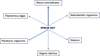 |
Fig. 2 The thickness of the line indicates the frequency with which a given type of food has been recorded in the literature on the diet of spirlin. |
5 Age and growth
The species is generally known to reach a maximum age of six years (Raikova-Petrova et al., 2006), although Skóra (1972) reported older individuals in the Dunajec River population (Vistula basin, Poland), including age classes 7+ (n = 10), 8+ (n = 3), and 9+ (n = 5). Jakovljević et al. (2023) reported that the maximum recorded total length of spirlin was 13.7 cm, while the maximum body weight reached 29.2 g. According to Breitenstein and Kirchhofer (2000a), spirlin from the Aare River (Switzerland) exhibited allometric growth, attaining approximately 13 cm in length and 20 g in weight. Kováč et al. (2006) observed a two-phase isometric growth pattern, interrupted by a short period of allometric growth. Similar growth pattern was also reported by Treer et al. (2006).
Growth parameters are highly indicative of the environmental conditions within a given habitat and provide a valuable basis for inter-population comparisons (Treer et al., 2006). Comparative analyses of the von Bertalanffy growth parameters (L∞ and K) among various spirlin populations suggest an inverse relationship between growth rate and asymptotic length—faster-growing populations tend to attain smaller maximum sizes, and vice versa (Raikova-Petrova et al., 2011, Jakovljević et al., 2023). Spirlin generally demonstrates rapid growth during the first year of life, although relatively low K values are frequently reported (Raikova-Petrova et al., 2011, Jakovljević et al., 2023), highlighting species-specific growth dynamics.
Considerable variation in von Bertalanffy growth parameters has been documented across different geographic regions as well as growth performance index (Tab. 1).
These differences are further supported by the growth performance index (φ′), which shows a general regional consistency. Long-term data from Serbia yielded a mean φ′ of approximately 1.81 (N = 3,041; Jakovljević et al., 2023), which aligns closely with values from the Balkans (1.77–1.90 in Croatia; Treer et al., 2000) and Central Europe (approximately 1.80; Skóra, 1972; Bastl et al., 1975). A notably lower value (1.58) was recorded in Estonia, likely reflecting reduced growth rates at the northern edge of the species' distribution. Overall, reported φ′ values for spirlin range from 1.58 to 1.9, suggesting a relatively consistent growth potential across its geographic range.
The rapid growth of spirlin, especially during the first year of life, indicates a high capacity for adjusting its growth rate (Marszał et al., 2018; Breitenstein and Kirchhofer, 2000a; Jakovljević et al., 2023). In some populations, such as that of the Iskar River in Bulgaria, a male-biased sex ratio (2:1) was observed in younger age classes, though this ratio declined with age, with the oldest individuals being exclusively female (Raikova-Petrova et al., 2006).
Differences in the body length of individuals of the same age from various European water bodies are evident (Tab. 2). These patterns are driven by multiple factors, including the general decline in growth rate from south to north (Skóra, 1972) and the influence of local environmental conditions such as temperature, food availability, and competition (Breitenstein and Kirchhofer, 2000b). Within a single location, such variation is likely related to the occurrence of multiple spawning events within one reproductive season (multiple spawning), as well as individual differences in growth rate (Breitenstein and Kirchhofer, 2000b).
von Bertalanffy growth parameters for spirlin (Alburnoides bipunctatus) populations from different regions. L∞ = asymptotic length, K = growth coefficient (year⁻¹), φ′ = growth performance index. For the Estonian population from the Emajõgi River and the Hungarian population, length values are reported as SL (standard length); for all other populations, length values are reported as TL (total length).
Mean back-calculated length-at-age (total length, TL, mm) of Alburnoides bipunctatus in different European water bodies.
6 Reproduction
Both males and females of A. bipunctatus typically reach sexual maturity at 2 yr of age (Breitenstein and Kirchhofer, 2000b; Froese and Pauly, 2024).
Spawning occurs between May and June, when water temperatures range from 14 °C to 18 °C (Parkinson et al., 1999). According to Polačik and Kováč (2006), the spawning season may extend from mid-April to early July. Other evidence suggests that in the Aare River, on the northern slopes of the Alps, the reproductive period may extend from June to August, as unscaled juveniles were found there at the end of January (Breitenstein and Kirchhofer, 2000b). Moreover, Jakovljević (2025) reported evidence of spawning activity in A. bipunctatus extending into late autumn, potentially associated with altered thermal and hydrological conditions documented across temperate rivers. Laboratory experiments simulating natural photoperiod and thermal regimes demonstrated that spawning commenced in the last week of April at a water temperature of 12 °C and continued for approximately 10 weeks, ending in early July (Bless, 1996). During this period, several females were observed to spawn repeatedly, confirming that spirlin is a multiple-spawning species. Gonads of sexually mature females contain gametes at multiple developmental stages, typically forming 2–3 successively laid batches (Polačik and Kováč, 2006; Marszał and Błońska, 2015), resulting in mean total seasonal fecundity of up to 3,000 eggs, depending on female body weight (Polačik and Kováč, 2006). A higher reproductive potential has been reported for Romanian populations, where individuals may spawn four to five times per season (Papadopol and Cristofor, 1980)., The adhesive eggs are deposited in the interstitial spaces between gravel and stones on the riverbed (Persat, 2020). Their surface is covered with evenly distributed adhesive filaments that ensure strong attachment to the substrate, thereby preventing freshly spawned eggs from being displaced by the current (Glechner et al., 1993). Males release milt containing sperm in the vicinity of the eggs, resulting in external fertilization as in other cyprinid fishes (Wootton, 1990).
Under controlled conditions, spawning occurred on a wide range of substrate particle sizes (2–15 cm), but a clear preference for water velocities around 0.4 m·s⁻¹ was observed (Bless, 1996). Skóra (1972) and Bless (1996) reported that spirlin can reproduce on various substrate types—including sand, gravel, and cobbles—provided that suitable hydrodynamic conditions, particularly water flow, are maintained. Therefore, the availability of stable benthic structures combined with optimal flow conditions appears to be critical for the reproductive success of the species.
During the spawning period, adults display a distinct dark longitudinal band extending along the entire body length and covering the lateral line. The gonadosomatic index (GSI) peaks in April and May for females (Polačik and Kováč, 2006). Egg diameter depends on the developmental stage of the oocyte and female size (Marszał and Błońska, 2015), which is why the reported ranges tend to be broad. For example, the diameter of the measured oocytes in the population from the Rudava Stream (Slovakia) ranged from 0.20 to 1.96 mm (Polačik et al., 2006), whereas in the population from the Skrwa Prawa River it ranged from 0.09 to 1.82 mm (Marszał and Błońska, 2015). Reported fecundity varies widely among populations and geographic regions: 740–3,000 eggs (Holčík and Hensel, 1972), 1,581–6,110 (Papadopol and Cristofor, 1980), 752–3,085 (Sorić and Ilić, 1985), 975–5,206 (Polačik and Kováč, 2006), and 308–3,081 (Marszał and Błońska, 2015). Marszał and Błońska (2015) also observed a positive correlation between female total length and fecundity. According to Wootton (1990), variation in fecundity and egg size is largely driven by phenotypic plasticity, which is typically induced by substantial changes in environmental conditions. Hatching occurs approximately one week after fertilization, corresponding to a cumulative thermal sum of 110–220 degree-days (Breitenstein and Kirchhofer, 2000b). Similar values were reported by Souchon and Tissot (2012), who observed hatching at around 100 degree-days, while Bless (1996) documented hatching after 5.2 days at 19.3 °C.
Larvae begin exogenous feeding 4–5 days after hatching at 18–20 °C, reaching a total length of approximately 8.5 mm (Peňáz, 1976). A summary of the main reproductive characteristics of the spirlin is presented in Figure 3.
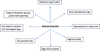 |
Fig. 3 Main reproductive characteristics of the spirlin (Alburnoides bipunctatus). |
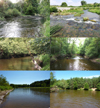 |
Fig. 4 Typical habitats of spirlin within riverine ecosystems: left – Kosanica River (a right tributary of the Toplica River), right – Beli Timok (a headwater of the Timok River), Serbia (photos by M. Jakovljević), middle left – Skrwa Prawa River (a right tributary of the Vistula River) near the village of Parzeń, middle right – Skrwa Prawa River near the village of Lasotki, Poland (photos by L. Marszał). Lower left and right: Warta River near the village of Załęcze Wielkie, Poland (photos by G. Zięba). |
7 Habitats
Spirlin is a rheophilic, gravel-spawning species that inhabits the upper (“salmonid”) and middle sections of river courses (Fig. 4), characterized by fast-flowing, well oxygenated water and substrates composed of gravel and sand (Jakovljević et al., 2023). It shows a strong preference for shallow, clear, well-oxygenated, and rapidly flowing waters during the reproductive period (Lusk et al., 1995; Copp et al., 2010; Treer et al., 2006; Jakovljević et al., 2023). Notably, high population densities are consistently restricted to small, localized stretches of stream habitats (Kainz and Gollmann, 1990).
Spirlin is also found in large lowland rivers, such as the Rhône (Daufresne et al., 2004; Olivier et al., 2009), Danube (Kováč, 2015), the Rhine (Wegscheider et al., 2024) and Meuse (Benitez et al., 2022). In the Warta River, a major tributary of the Oder (with a total length of 808 km), the species inhabited the middle reaches approximately 80 km long and up to 60 meters wide (Fig. 4), located upstream of a reservoir dam lacking a fish pass. In this stretch, spirlin co-occurred not only with other rheophilic species but also with a variety of eurytopic fish, including roach (Rutilus rutilus), bleak (Alburnus alburnus), perch (Perca fluviatilis), pike (Esox lucius), white bream (Blicca bjoerkna), sunbleak (Leucaspius delineatus), and zander (Sander lucioperca) (Ciepłucha et al., 2014). Similarly, in the lower reaches of the Meuse River (925 km in length), spirlin was primarily associated with eurytopic species as well (Benitez et al., 2022). In Austria, it occurs in streams up to approximately 500 m a.s.l. (Kainz and Gollmann, 1990).
The species requires highly specific spawning conditions, reflecting a narrow ecological tolerance (Mann, 1996), and exhibits habitat preferences that shift across developmental stages and seasonal changes. Juvenile spirlin generally prefer calmer waters, whereas older age classes tend to occupy faster-flowing sections with greater depth, clearly avoiding very shallow areas (Kainz and Gollmann, 1990; Saladin, 1998; Breitenstein and Kirchhofer, 2000b; Kottelat and Freyhof, 2007; Plichard et al., 2020). Young-of-the-year (YOY) are typically associated with littoral zones characterized by slow-flowing or stagnant waters and the presence of submerged structures, such as fallen branches or accumulations of leaf litter. In contrast, adult individuals inhabit open-water habitats during summer and migrate to more sheltered areas with reduced water levels in winter (Breitenstein and Kirchhofer, 2000b).
Spirlin’s affinity for structurally complex environments was further confirmed by Pander et al. (2025), who demonstrated that beaver-created structures provide effective shelter for this species, resulting in increased population densities in streams where such features are present.
In the Danube catchment, spirlin predominantly utilizes microhabitats with water depths less than 40 cm, flow velocities between 0.1 and 5 cm·s⁻¹, a river slope between 0.8 and 5‰, and located 1–2 meters from the riverbank (Kováč et al., 2006). In the River Meuse basin, preferred physicochemical parameters include, dissolved oxygen concentrations ranging from 9.2 to 10.8 mg·L⁻¹, ammonium levels below 350 μg·L⁻¹, calcium concentrations between 90 and 120 mg·L⁻¹, and phosphate levels under 400 μg·L⁻¹ (Philippart, 1989). The optimal temperature range for the larval stage is 19–24 °C, with 12 °C representing the lower developmental threshold and approximately 27 °C considered lethal (Souchon and Tissot, 2012).
8 Movement dynamics
Individual movements of spirlin have not been studied using tagging or telemetry methods, and current knowledge on their mobility mainly derives from fish pass monitoring studies. In the Amblève River (Belgium), captures occurred from April to September, with a peak in late June and early July, mostly between 21 and 23°C (Benitez et al., 2015). In the River Meuse (Belgium), captures extended from late March to October, peaking from late May to late July, with P50 and P90 values at 22.9 and 24.7°C, respectively (Benitez et al., 2022).
These observations indicate that spirlin preferentially moves under conditions of high temperature and low water flow, with migrations occurring during the spawning season (May–June) and continuing into the post-spawning period. Upstream movements have also been reported in early summer and autumn (Breitenstein and Kirchhofer, 2000b), consistent with Jakovljević et al. (2023), who suggested that such altitudinal shifts are associated with decreasing flow rates and increasing temperatures. Considering that upstream reaches are the most sensitive to temperature rise (Johnson et al., 2024), climate change—through its impacts on flow regimes, water levels, and thermal conditions—is expected to further influence spirlin migration dynamics.
Using stable isotope analysis, Durbec et al. (2010) documented movements of spirlin between a main river channel and its tributary. Juvenile spirlin have also been reported to move repeatedly between areas of fast and slow flow (Breitenstein and Kirchhofer, 2000b).
Experimental studies (Meister et al., 2022) have shown that spirlin exhibit moderate ability to ascend fishways, with passage efficiency strongly influenced by hydraulic conditions, particularly flow velocity and local acceleration. Migratory performance declines significantly at higher flow velocities. In laboratory experiments, spirlin demonstrated pronounced schooling behavior—rarely swimming alone—and strong positive rheotaxis, actively orienting against the current. Individuals predominantly swam near the bottom, favoring areas adjacent to channel walls, and avoiding zones with abrupt velocity changes. A typical movement pattern observed under experimental conditions involved zigzagging across the full channel width.
These behavioral characteristics suggest substantial physiological and sensory constraints in navigating hydraulic obstacles. Therefore, fishway designs intended for spirlin and other small-bodied riverine species should accommodate their limited tolerance for turbulent flow and account for their specific spatial preferences (Meister et al., 2022).
9 Impact of anthropogenic pressures
Spirlin may serve as a valuable bioindicator of stress and a potential ecological indicator of key anthropogenic pressures (Virbickas and Kesminas, 2007; Jakovljević et al., 2023, 2024; Marszał and Przybylski, 2024; Marszał and Smith, 2024; Wegscheider et al., 2024). Although the species demonstrates considerable resilience and adaptability, its populations remain at risk if environmental conditions continue to deteriorate (Zhai and Lee, 2024). The persistence of spirlin populations strongly depends on the availability of high-quality habitats at the local scale—specifically, the presence of riffles, runs, pools, backwaters, floodplain connectivity, heterogeneous flow regimes, access to coarse substrates, and longitudinal river continuity (Breitenstein and Kirchhofer, 2000a; Valová et al., 2006; Marszał and Smith, 2024).
Flow disruption, including river engineering, fragmentation by barriers such as dams, and flow alteration due to water abstraction, has been shown to negatively affect fish community structure and is associated with spirlin absence (Marszał and Smith, 2024). Complementing these findings, Simić et al. (2022) highlighted that the ecological niche of spirlin is strongly affected by anthropogenic pressures. Similarly, Musil et al. (2012) reported declines in rheophilic species, including spirlin, following damming, particularly within young-of-the-year (YOY) assemblages. Virbickas et al. (2020) further demonstrated that the operation of low-head hydropower plants (HPPs) significantly reduces habitat availability for A. bipunctatus, especially during periods of low discharge. As a consequence, downstream of such structures, habitat conditions become suboptimal, resulting in reduced population densities. Legally mandated environmental flows were found insufficient to maintain suitable conditions, and the authors proposed that flows based on mean low summer discharge would more effectively support sensitive species, such as spirlin.
Recent analyses by Waldock et al. (2024) corroborated these patterns, demonstrating that the natural distribution of A. bipunctatus is significantly constrained by anthropogenic pressures. The study estimated that approximately 89% of sub-catchments that would be environmentally suitable for the species under undisturbed conditions are currently affected by at least one human-induced stressor, including habitat degradation (e.g., channel modification, floodplain disconnection), urban expansion, and especially the fragmentation of longitudinal connectivity due to migration barriers. The concept of “shadow distribution” introduced by the authors underscores that large areas of suitable habitat remain unoccupied due to these constraints, indicating that the species’ realized distribution is substantially narrower than its potential ecological range.
At the local scale, Marszał and Przybylski (2024) showed that dredging of a reservoir adversely affected spirlin populations by disrupting flow patterns and transporting fine sediments downstream. Moreover, this case study revealed a long-term trend of declining water levels over a 20 yr period, potentially linked to ongoing climate change. Spirlin is also considered sensitive to changes in water quality and in-stream habitat structure (Breitenstein and Kirchhofer, 2000a; Valová et al., 2006). Water pollution and migration barriers,particularly those caused by hydrotechnical infrastructure, likely contributed to the disappearance of spirlin from the upper and middle sections of the Oder River, as evidenced by its absence in fish passes at the river’s lowermost weir (Kotusz et al., 2006).
With regard to the potential threat posed to spirlin by non-native and invasive fish species, no studies specifically examining such interactions are currently available. Nevertheless, several works identify the presence or introduction of alien fishes as a potential risk factor for this taxon (Jakovljević et al., 2023; Marszał and Przybylski, 2024). This concern is supported by well-documented mechanisms through which introduced salmonids negatively affect native fish communities (e.g., Healy et al., 2020), including predation, competition, and trophic-web alterations. Collectively, these processes strongly suggest that local co-occurrence of non-native salmonids and spirlin, whether resulting from deliberate stocking or the natural spread of invasive fishes, is likely to have adverse consequences for spirlin populations.
Complementing previous findings of Jakovljević et al. (2024), using an ecological modeling framework combined with advanced machine learning algorithms, identified water pollution and rising water temperatures as primary drivers influencing spirlin population dynamics. Moreover, their study highlighted that overexploitation of valued fish species such as trout, along with the expansion of invasive fishes, constitutes a major pressure constraining the Danube barbel zone, representing the core ecological niche of spirlin. Their long-term analysis (2003–2021) also revealed a previously underappreciated ecological duality in spirlin: traits typical of rheophilic fish coexist with a marked capacity to persist in moderately degraded and thermally elevated environments. This combination of environmental sensitivity and opportunistic tolerance generates population-level responses that possess strong indicator value under changing environmental conditions. Specifically, Jakovljević et al. (2024) documented: (1) measurable shifts in size structure and condition factor associated with elevated water temperatures; (2) changes in local abundance and spatial redistribution under organic and mixed pollution loads; (3) reduced average body condition in thermally stressed habitats; and (4) localized increases in population density where predation pressure decreased (e.g., due to declines in trout). Collectively, these patterns reinforce the conclusion that although spirlin responds to a suite of anthropogenic and ecological pressures, temperature increase and pollution exert the strongest and most consistent effects. Consequently, its indicator value resides not in simple presence–absence patterns but in quantifiable and repeatable shifts in biological traits and population metrics that precede broader changes in fish community structure. At this stage, these results should be regarded as preliminary but foundational, opening a new field of inquiry into the use of A. bipunctatus as a fine-scale ecological indicator of habitat alteration. In this context, climate-driven increases in water temperature further amplify these responses, underscoring that spirlin’s sensitivity to thermal regimes may become an increasingly important component of its indicator value under ongoing climate change.
Together, these findings highlight the vulnerability of spirlin populations to multiple interacting stressors at local scales, underscoring both its value as an indicator of habitat degradation and the need for integrated management approaches to conserve viable habitats (Fig. 5).
Although spirlin is representative of the rheophilic group, which is the most sensitive group among fish assemblages due to climate change and anthropogenic impacts (Isaak and Young, 2023; Hayes et al., 2024), the lower level of ecological specialization allows spirlin to achieve high adaptability (van Treeck et al., 2020) and increase its chances of establishing sustainable populations in novel fish assemblage structures (Jakovljević et al., 2024). On the other hand, spirlin's limited long-distance dispersal ability makes natural recolonization of restored river sections unlikely, due not only to geographic isolation but also to the lack of longitudinal connectivity with source populations.
Given the severity of these anthropogenic pressures and the resulting habitat fragmentation, reintroduction programs have been proposed and implemented in several rivers to restore spirlin populations. For instance, a program launched in central Germany, where spirlin was historically abundant until the second half of the last century, successfully re-established the species in most of the targeted rivers (Bobbe, 2024). Post-restocking monitoring confirmed that spirlin persisted, reproduced naturally, and expanded its range (Riaz et al., 2020). Where reintroduction failed, key limiting factors included high predation pressure (particularly from brown trout), water pollution, and fine sediment accumulation—all of which negatively affect spawning success and early developmental stages.
Overall, these studies illustrate that anthropogenic pressures operate synergistically to constrain spirlin populations, but targeted restoration and management interventions can mitigate these impacts, maintaining both the species sustainability and its ecological role as a bioindicator.
 |
Fig. 5 Major anthropogenic pressures affecting spirlin (A. bipunctatus) populations. Figure created by the authors using the Canva platform. |
10 Guidelines for spirlin conservation
Given its specific requirements, the protection of the spirlin requires sustained conservation management measures. The measures we propose are not species-specific and can be extended to most rheophilic species. However, it is possible to prioritize these measures to best meet the spirlin's needs (Tab. 3)
These recommendations should first be integrated into river management practices. In addition to the specific conservation measures we emphasize the need for a holistic approach that includes socio-economic instruments, education, and adaptive management strategies to enhance long-term population viability and ecosystem resilience.
Special emphasis should be placed on public education concerning the ecological role of spirlin and the promotion of sustainable freshwater use, especially in rural tourism and local development contexts, where awareness of the species is limited due to its low commercial value. Furthermore, regular population monitoring and environmental assessments are essential to support adaptive management and facilitate timely responses to ongoing environmental change.
Proposed conservation measures for spirlin populations. The green circles represent a suggestion of prioritization ( high,
high,  moderate,
  low).
low).
11 Key research questions for future studies
A. bipunctatus is not a commercially important fish species, therefore not exploited, and has historically attracted limited research attention. Consequently, securing funding and data for its conservation is often challenging. Nevertheless, a basic understanding of its ecology exists, although several aspects remain poorly understood. Further research, especially at the individual level (species-level studies), is crucial to address gaps in knowledge (e.g., movement patterns, habitat use). The miniaturization of electronic tags may soon allow more precise tracking of small-bodied species like spirlin. We encourage researchers and practitioners to share relevant data or study proposals, which would contribute to a more comprehensive and quantitative synthesis of the ecological requirements and sensitivity thresholds of the spirlin.
The following Table 4 summarizes key areas and priority research questions for the future identified through this review.
Priority research questions organized by key thematic areas.
References
- Aarts BGW, Van Den Brink FWB, Nienhuis PH. 2004. Habitat loss as the main cause of the slow recovery of fish faunas of regulated large rivers in Europe: the transversal floodplain gradient. River Res Appl 20: 3–23. [CrossRef] [Google Scholar]
- Allan JD, Castillo MM. 2007. Stream ecology: structure and function of running waters. 2nd ed. New York: Chapman & Hall. https://doi.org/10.1007/978-1-4020-5583-6 [Google Scholar]
- Backiel T. 1964. Populacje ryb w systemie rzeki Drwęcy [Fish populations in the Drwęca River system]. Rocz Nauk Rol, Warszawa, 84-B-2: 193–214. (in Polish) [Google Scholar]
- Bastl I, Holcik J, Kirka A. 1975. Ichthyological investigation of the protected habitat of the Danubian salmon (Hucho hucho L.) on the river Turiec (Czechoslovakia) and suggestions for its management. Ac Rer Natur Mus Nat Slov, Bratislava, 21: 191–224 (In Slovakian with English summary) [Google Scholar]
- Benitez JP, Nzau Matondo B, Dierckx A, Ovidio M. 2015. An overview of potamodromous fish upstream movements in medium sized rivers, by means of fish passes monitoring. Aquat Ecol 49: 481–497. [CrossRef] [Google Scholar]
- Benitez JP, Dierckx A, Rimbaud G, Nzau Matondo B, Renardy S, Rollin X, Gillet A, Dumonceau F, Poncin P, Philippart JC, Ovidio M. 2022. Assessment of fish abundance, biodiversity and movement periodicity changes in a large river over a 20-year period. Environments 9: 22. [CrossRef] [Google Scholar]
- Bless R. 1996. Reproduction and habitat preference of the threatened spirlin (Alburnoides bipunctatus Bloch) and soufie (Leuciscus souffia Risso) under laboratory conditions (Teleostei: Cyprinidae). In: Kirchhofer A, Hefti D eds. Conservation of Endangered Freshwater Fish in Europe. Basel: Birkhäuser Verlag. pp. 249–258. [Google Scholar]
- Bobbe T. 2024. Wiederansiedlung des Schneiders Alburnoides bipunctatus (Bloch 1782) in Südhessen 2023. [Online] Available at: https://rp-darmstadt.hessen.de/sites/rp-darmstadt.hessen.de/files/2025-03/schneiderwiederansiedlung-2023_v2_08.02.2024.pdf [Google Scholar]
- Bogutskaya NG. 1997. Contribution to the knowledge of leuciscine fishes of Asia Minor. Part 2. An annotated check-list of leuciscine fishes (Leuciscinae, Cyprinidae) of Turkey with descriptions of a new species and two new subspecies. Mitt Hamburg Zool Mus Inst 94: 161–186. [Google Scholar]
- Bogutskaya NG, Coad BW. 2009. A review of vertebral and fin-ray counts in the genus Alburnoides (Teleostei: Cyprinidae) with a description of six new species. Zoosystematica Rossica 18: 126–173. [Google Scholar]
- Breitenstein M, Kirchhofer A. 2000a. Growth, age structure and species association of the cyprinid Alburnoides bipunctatus in the River Aare, Switzerland. Folia Zool 49: 59–68. [Google Scholar]
- Breitenstein ME, Kirchhofer A. 2000b. Biologie, Gefährdung und Schutz des Schneiders (Alburnoides bipunctatus) in der Schweiz [Report, in German]. Mitteilungen zur Fischerei Nr. 62. Kastanienbaum, Switzerland: EAWAG. Available online: https://www.ybbs-aesche.at/wp-content/uploads/2015/02/Oekologie_Schneider_CH.pdf (Accessed: 11 December 2025). [Google Scholar]
- Ciepłucha M, Kruk A, Zięba G, Marszał L, Tszydel M, Tybulczuk S, Rachalewska D, Pietraszewski D, Galicka W. 2014. Ichtiofauna rzeki Warty [Fish fauna of the Warta River]. Rocz Nauk PZW 27: 147–184. (in Polish) [Google Scholar]
- Copp GH, Kováč V, Siryová S. 2010. Microhabitat use by stream-dwelling spirlin Alburnoides bipunctatus and accompanying species: implications for conservation. Folia Zool 59: 240–256. [Google Scholar]
- Daufresne M, Rogen MC, Capra H, Lamouroux N. 2004. Long-term changes within the invertebrate and fish communities of the Upper Rhône River: effects of climatic factors. Glob Change Biol 10: 124–140. [CrossRef] [Google Scholar]
- Durbec M, Cavalli L, Grey J, Chappaz R, Nguyen The B. 2010. The use of stable isotopes to trace small-scale movements by small fish species. Hydrobiologia 641: 23–31. [Google Scholar]
- Filipović D, Janković D. 1978. Relation between the bottom fauna and fish diet of the upland streams of East Serbia. Ichthyologia 10: 29–40. [Google Scholar]
- Ford M. 2024. Alburnoides bipunctatus. The IUCN Red List of Threatened Species 2024: e.T184450A137349665. [Google Scholar]
- Froese R., Pauly D. (eds.), 2024. FishBase. Available at: www.fishbase.org (accessed 7 Dec. 2025). [Google Scholar]
- Glechner R, Patzner RA&, Riehl R. 1993. Die Eier einheimischer Fische: 3. Schneider (Alburnoides bipunctatus). Österr Fisch 7: 169–172. [Google Scholar]
- Hayes C, Mitchell A, Mellin C, Booth DJ, Ravasi T, Nagelkerken I. 2024. Ecological generalism and physiology mediate fish biogeographic ranges under ocean warming. Proc R Soc B 291: 20232206. [Google Scholar]
- Herzig-Straschil B. 1991. Rare and endangered fishes of Austria. Verh Int Ver Limnol 24: 2501–2504. [Google Scholar]
- Healy BD, Schelly RC, Yackulic CB, Omana Smith EC&, Budy P. 2020. Remarkable response of native fishes to invasive trout suppression varies with trout density, temperature and annual hydrology. Can J Fish Aquat Sci 77 : 1446–1462. [Google Scholar]
- Holčík J, Hensel K. 1972. Ichtyologická príručka. Obzor, Bratislava. 217 p. (in Slovak) [Google Scholar]
- Huet M. 1949. Apercu des relations entre la pente et les populations piscicoles des eaux courantes. Schweiz Z Hydrol 11(3–4): 332–351. [Google Scholar]
- Isaak DJ, Young MK. 2023. Cold-water habitats, climate refugia, and their utility for conserving salmonid fishes. Can J Fish Aquat Sci 80: 1187–1206. [Google Scholar]
- Irz P, Vigneron T, Poulet N, Richard B, Oberdoff T. 2024. The biological condition of French rivers has not improved over the last seventeen years according to the national Fish-Based-Index (FBI). Knowl Manag Aquat Ecosyst 425: 11. [Google Scholar]
- Jakovljević M, Nikolić M, Kojadinović N, Đuretanović S, Radenković M, Veličković T, Simić V. 2023. Population characteristics of spirlin Alburnoides bipunctatus in Serbia (Central Balkans): implications for conservation. Diversity 15: 616. [Google Scholar]
- Jakovljević M, Đuretanović S, Kojadinović N, Nikolić M, Petrović A, Simović P, Simić V. 2024. Assessing spirlin Alburnoides bipunctatus as an early indicator of climate change and anthropogenic stressors using ecological modeling and machine learning. Sci Total Environ 951: 175723. [Google Scholar]
- Jakovljević M. 2025. Population characteristics and conservation status of the species Alburnoides bipunctatus (Bloch, 1782) in the aquatic ecosystems of Serbia, Doctoral dissertation. Serbia: University of Kragujevac. pp 155. (in Serbian) [Google Scholar]
- Johal MS. 1979. Notes on growth and systematics of Alburnoides bipunctatus. Věst Čs Společ Zool 43: 270–277. [Google Scholar]
- Johnson MF, Albertson LK, Algar AC, Dugdale SJ, Edwards P, England J, Gibbins C, Kazama S, Komori D, et al. 2024. Rising water temperature in rivers: ecological impacts and future resilience. WIREs Water 11: e1724. [Google Scholar]
- Kainz E, Gollmann HP. 1990. Beiträge zur Verbreitung einiger Kleinfischarten in österreichischen Fliessgewässern. Teil 4: Schneider (Alburnoides bipunctatus). Österr Fisch 8/9: 187–192. [Google Scholar]
- Kotusz J, Witkowski A, Baran M, Błachuta J. 2006. Fish migrations in a large lowland river (Odra R., Poland) — based on fish pass observations. Folia Zool 4: 386–398. [Google Scholar]
- Kottelat M, Freyhof J. 2007. Handbook of European Freshwater Fishes. Berlin, Germany: Publications Kottelat. Vol. 13, 646 p. [Google Scholar]
- Kováč V, Katina S, Copp GH, Siryová S. 2006. Ontogenetic variability in external morphology and microhabitat use of spirlin Alburnoides bipunctatus from the River Rudava (Danube catchment). J Fish Biol 8: 1257–1270. [Google Scholar]
- Kováč V. 2015. Current status of fish communities in the Danube. In: Liska I (red.), The Danube River Basin. Handbook of Environmental Chemistry. Germany : Springer-Verlag, Berlin, Vol. 39, pp. 359–389. [Google Scholar]
- Kruk A. 2007. Role of habitat degradation in determining fish distribution and abundance along the lowland Warta River, Poland. J Appl Ichthyol 23: 9–18. [Google Scholar]
- Kruk A, Ciepłucha M, Zięba G, Tybulczuk S, Tszydel M, Marszał L, Błońska D, Galicka W, Przybylski M. 2016. Recovery of fish fauna in the upper Warta River, Poland: Long-term (1963–2012) monitoring study. Ecol Inform 33: 109-118. [Google Scholar]
- Lelek A, Lusk S. 1965. Occurrence of fishes in relation to the bottom formation. Zoologické listy (Folia Zoologica) 3: 225–234. [Google Scholar]
- Lelek A. 1987. The Freshwater Fishes of Europe. In: Threatened Fishes of Europe. Balogh Scientific Books, Vol. 9, 343 p. [Google Scholar]
- Losos B, Peňáz M, Kubičková J. 1980. Food and growth of fishes of the Jihlava River. Acta Sci Nat Acad Sci Bohemicae Brno 14: 1–46. [Google Scholar]
- Lusk S, Halačka K, Luskova V. 1995. Influence of small hydroelectric power stations on fish communities in streams. Živočišna Vyroba 40: 363–367. [Google Scholar]
- Mann RHK. 1996. Environmental requirements of European non-salmonid fish in rivers. Hydrobiologia 323: 223–235. [Google Scholar]
- Marszał L, Przybylski M. 1996. Zagrożone i rzadkie ryby Polski Środkowej [Threatened and rare fish species in Central Poland]. Zool Pol 41: 61–72. (in Polish) [Google Scholar]
- Marszał L, Błońska D. 2015. Reproductive traits of the spirlin Alburnoides bipunctatus in the Vistula River basin. Reprod Biol 3: 184–187. [Google Scholar]
- Marszał L, Grzybkowska M, Błońska D, Leszczyńska J, Przybylski M. 2018. Diet of the endangered spirlin (Alburnoides bipunctatus) at the centre of its distribution in Europe. Mar Freshw Res 69: 1712–1723. [Google Scholar]
- Marszał L, Smith C. 2024. Ecological predictors of the endangered spirlin (Alburnoides bipunctatus). Ecol Inform 82: 102726. [Google Scholar]
- Marszał L, Przybylski M. 2024. The endangered spirlin (Alburnoides bipunctatus) as an indicator of biotic integrity. J Vertebr Biol 73: Article 24084. [Google Scholar]
- Meister J, Selz OM, Beck C, Peter A, Albayrak I, Boes RM. 2022. Protection and guidance of downstream moving fish with horizontal bar rack bypass systems. Ecol Eng 178: 106584. [Google Scholar]
- Musil J, Horký P, Slavík O, Zbořil A, Horká P. 2012. The response of the young-of-the-year fish to river obstacles: functional and numerical linkages between dams, weirs, fish habitat guilds and biotic integrity across large spatial scale. Ecol Indic 23: 634–640. [Google Scholar]
- Olivier J-M, Carrel G, Lamouroux N, Dole-Olivier M-J, Malard F, Bravard J-P, Amoros C. 2009. The Rhône River Basin. In: Tockner K, Uehlinger U, Robinson CT, eds. Rivers of Europe. London, UK: Academic Press, pp. 247–295. [Google Scholar]
- Pander J, Otterbein J, Nagel C, Geist J. 2025. Nature-based fish habitat enrichment of non-damming beaver structures positively affects fish species richness and density. Ecol Eng 212: 107516. [Google Scholar]
- Papadopol M, Cristofor S. 1980. Recherches sur l’écologie de deux populations de spirlin, Alburnoides bipunctatus, des eaux de la Roumanie. Trav Mus Hist Nat Grigore Antipa 22: 483–493. [Google Scholar]
- Parkinson D, Petit F, Perpinien G, Philippart J-C. 1999. Habitats de reproduction des poissons et processus géomorphologiques dans des rivières à fond caillouteux: essai de synthèse et applications à quelques rivières du bassin de la Meuse. Bull Soc Géogr Liège 36: 31–52. [Google Scholar]
- Pelletier M, Ebersole J, Mulvaney K, Rashleigh B, Gutierrez MN, Chintala M, Kuhn A, Mollina M, Bagley M, Lane C. 2020. Resilience of aquatic systems: review and management implications. Aquat Sci 82: 44. [Google Scholar]
- Peňáz M. 1976. Early development of the spirlin Alburnoides bipunctatus (Bloch, 1782). Acta Soc Sci Nat Mus Morav Occid Třebíč 10: 25–34. [Google Scholar]
- Peňáz M, Jurajda P. 1993. Fish assemblages of the Morava River: longitudinal zonation and protection. Folia Zool 42: 317–328. [Google Scholar]
- Penczak T. 1999. Impact of introduced brown trout on native fish communities in the Pilica River catchment (Poland). Environ Biol Fish 54: 237–252. [Google Scholar]
- Persat H. 2020. Le Spirlin. In: Keith P, Poulet N, Denys G, Changeux T, Feunteun É, Persat H. eds. Les Poissons d’eau douce de France, 2nd ed. Paris & Biotope : Muséum national d’Histoire naturelle, Mèze (Inventaires & biodiversité 18). [Google Scholar]
- Philippart J-C. 1989. Ecologie des populations de poissons et caractéristiques physique et chimique des rivières dans le bassin de la Meuse. Bull Soc Géogr Liège 25: 175–198. [Google Scholar]
- Piria M. 2003. Ishrana pet ciprinidnih vrsta riba iz rijeke Save. Master thesis, Agronomski fakultet, Sveučilište u Zagrebu. [Google Scholar]
- Piria M, Treer T, Aničić I, Safner R, Odak T. 2005. The natural diet of five cyprinid fish species. Agric Conspectus Sci 70: 21–28. [Google Scholar]
- Plichard L, Forcellini M, Le Coarer Y, Capra H, Carrel G, Ecochard R, Lamouroux N. 2020. Predictive models of fish microhabitat selection in multiple sites accounting for abundance overdispersion. River Res App 36: 1056–1075. [Google Scholar]
- Polačik M, Kováč V. 2006. Fecundity and annual course of maturation in spirlin, Alburnoides bipunctatus. Folia Zool 55: 399–410. [Google Scholar]
- Quoquillaud N. 2022. Étude de l’arriveée d’une nouvelle espeèce de poisson sur le bassin Adour–Garonne, le spirlin, et de son potentiel impact sur l’Indice Poissons Rivieère. Mémoire de stage à l’office Français pour la Biodiversité. 33pp. [Google Scholar]
- Raikova-Petrova NG, Petrov IK, Marinova D, Hamwi N. 2006. Structure of riffle minnow’s population (Alburnoides bipunctatus Bloch, 1782) in the middle stream of the Iskar River, Bulgaria. Acta Zool Bulg 58: 395–400. [Google Scholar]
- Riaz M, Kuemmerlen M, Wittwer C, Cocchiararo B, Khaliq I, Pfenninger M, Nowak C. 2020. Combining environmental DNA and species distribution modeling to evaluate reintroduction success of a freshwater fish. Ecol Appl 30: e02034. [Google Scholar]
- Saladin V. 1998. Habitatpräferenzen des Schneiders (Alburnoides bipunctatus) in der Aare. Diplomarbeit, Zoologisches Institut, Universität Bern. [Google Scholar]
- Schiemer F, Waidbacher H. 1992. Strategies for conservation of a Danubian fish fauna. In: Boon PJ, Calow P, Petts GJ, eds. River Conservation and Management. New York: John Wiley & Sons, pp. 363–382. [Google Scholar]
- Simić V, Bănăduc D, Curtean-Bănăduc A, Petrović A, Veličković T, Stojković-Piperac M, Simić S. 2022. Assessment of the ecological sustainability of river basins based on the modified ESHIPPOfish model on the example of the Velika Morava basin (Serbia, Central Balkans). Front Environ Sci 10: 952692. [Google Scholar]
- Siryová S. 2004. External morphology of spirlin Alburnoides bipunctatus. Acta Zool Univ Comen 46: 65–74. [Google Scholar]
- Skóra S. 1972. The cyprinid Alburnoides bipunctatus Bloch from the basins of the rivers Upper San and Dunajec. Acta Hydrobiol 14: 173–204. [Google Scholar]
- Souchon Y, Tissot L. 2012. Synthesis of thermal tolerances of the common freshwater fish species in large Western Europe rivers. Knowl Manag Aquat Ecosyst 405: Article 03. [Google Scholar]
- Šorić V, Ilić K. 1985. Systematical and ecological characteristics of Alburnoides bipunctatus (Bloch) in some waters of Yugoslavia. Ichthyologia 17: 29–37. [Google Scholar]
- Stierandová S, Vukić J, Vasil’eva ED, Zogaris S, Shumka S, Halačka K, Vetešník L, Švátora M, Nowak M, Stefanov T, Koščo J, Mendel J. 2016. A multilocus assessment of nuclear and mitochondrial sequence data elucidates phylogenetic relationships among European spirlins (Alburnoides, Cyprinidae). Mol Phylogenet Evol 94: 479–491. [Google Scholar]
- Treer T, Habeković D, Aničić I, Safner R, Piria M. 2000. Growth of five spirlin (Alburnoides bipunctatus) populations from the Croatian rivers. Agric Conspectus Sci 65: 175–180. [Google Scholar]
- Treer T, Piria M, Aničić I, Safner R, Tomljanović T. 2006. Diet and growth of spirlin, Alburnoides bipunctatus, in the barbel zone of the Sava River. Folia Zool 55: 97–106. [Google Scholar]
- Turan D, Kay C, Bayçelebi E, Betkas Y, Güler Ekmekçi F. 2017. Three new species of Alburnoides from the southern Black Sea basin (Teleostei: Cyprinidae). Zootaxa 4242: 565. [Google Scholar]
- Valová Z, Jurajda P, Janáč M. 2006. Spatial distribution of 0+ juvenile fish in differently modified lowland rivers. Folia Zool 55: 293–308. [Google Scholar]
- Van Treeck R, Van Wichelen J, Wolter C. 2020. Fish species sensitivity classification for environmental impact assessment, conservation, and restoration planning. Sci Total Environ 708: 135173. [Google Scholar]
- Virbickas T, Kesminas V. 2007. Development of fish-based assessment method for the ecological status of rivers in the Baltic region. Fish Manag Ecol 14: 531–539. [Google Scholar]
- Virbickas T, Vezza P, Kriaučiūnienė J, Akstinas V, Šarauskienė D, Steponėnas A. 2020. Impacts of low-head hydropower plants on cyprinid-dominated fish assemblages in Lithuanian rivers. Sci Rep 10: 21687. [Google Scholar]
- Vukić J, Eliášová K, Marić D, Šanda R. 2019. Occurrence of alien spirlin (Alburnoides sp.) in the Neretva River basin. Knowl Manag Aquat Ecosyst 420: 15. [Google Scholar]
- Vuković T. 1968. Das Variieren der Länge des digestiven Traktes bei einigen Cypriniden aus den Nebenflüssen des Oberlaufes der Bosna. Ribarstvo Jugoslavije 23: 84–86. (In Croatian with German summary) [Google Scholar]
- Vuković T, Ivanović B. 1971. Freshwater fishes from Jugoslavia. Zemaljski muzej Bosne i Hercegovine, Sarajevo. [Google Scholar]
- Waldock C, Wegscheider B, Josi D, Borges Calegari BB, Brodersen J, Jardim de Queiroz L, Seehausen O. 2024. Deconstructing the geography of human impacts on species’ natural distribution. Nat Commun 15: 8852. [Google Scholar]
- Wegscheider B, Waldock C, Calegari BB, Josi D, Brodersen J, Seehausen O. 2024. Neglecting biodiversity baselines in longitudinal river connectivity restoration impacts priority setting. Sci Total Environ 954: 175167. [Google Scholar]
- Wootton RJ. 1990. Ecology of teleost fishes. London: Chapman & Hall, pp. 159–194. [Google Scholar]
- Zhai L, Lee JE. 2024. Investigating vulnerability, adaptation, and resilience: a comprehensive review within the context of climate change. Atmosphere 15: 474. [Google Scholar]
- Živković D, Jovanović B. 2011. Spatial morphometric plasticity of spirlin Alburnoides bipunctatus (Bloch, 1782) phenotype from the Nišava River, Serbia, Danube basin. Biologica Nyssana 2: 67–77. [Google Scholar]
Cite this article as: Ovidio M, Marszał L, Simić V, Jakovljević M. 2026. Ecology, threats, and conservation of the spirlin Alburnoides bipunctatus (Bloch, 1782), Knowl. Manag. Aquat. Ecosyst. 427, 7. https://doi.org/10.1051/kmae/2025033
All Tables
von Bertalanffy growth parameters for spirlin (Alburnoides bipunctatus) populations from different regions. L∞ = asymptotic length, K = growth coefficient (year⁻¹), φ′ = growth performance index. For the Estonian population from the Emajõgi River and the Hungarian population, length values are reported as SL (standard length); for all other populations, length values are reported as TL (total length).
Mean back-calculated length-at-age (total length, TL, mm) of Alburnoides bipunctatus in different European water bodies.
Proposed conservation measures for spirlin populations. The green circles represent a suggestion of prioritization ( high, moderate, low).
All Figures
|
Fig. 1 Photo of a spirlin captured in the river Lienne, Belgium. Schematic representation of the spirlin with the position of the fins and lateral stripe (image generated by AI with the help of a photo). |
| In the text | |
|
Fig. 2 The thickness of the line indicates the frequency with which a given type of food has been recorded in the literature on the diet of spirlin. |
| In the text | |
|
Fig. 3 Main reproductive characteristics of the spirlin (Alburnoides bipunctatus). |
| In the text | |
|
Fig. 4 Typical habitats of spirlin within riverine ecosystems: left – Kosanica River (a right tributary of the Toplica River), right – Beli Timok (a headwater of the Timok River), Serbia (photos by M. Jakovljević), middle left – Skrwa Prawa River (a right tributary of the Vistula River) near the village of Parzeń, middle right – Skrwa Prawa River near the village of Lasotki, Poland (photos by L. Marszał). Lower left and right: Warta River near the village of Załęcze Wielkie, Poland (photos by G. Zięba). |
| In the text | |
|
Fig. 5 Major anthropogenic pressures affecting spirlin (A. bipunctatus) populations. Figure created by the authors using the Canva platform. |
| In the text | |
Current usage metrics show cumulative count of Article Views (full-text article views including HTML views, PDF and ePub downloads, according to the available data) and Abstracts Views on Vision4Press platform.
Data correspond to usage on the plateform after 2015. The current usage metrics is available 48-96 hours after online publication and is updated daily on week days.
Initial download of the metrics may take a while.