


| Issue |
Knowl. Manag. Aquat. Ecosyst.
Number 427, 2026
Freshwater ecosystems management strategies
|
|
|---|---|---|
| Article Number | 16 | |
| Number of page(s) | 12 | |
| DOI | https://doi.org/10.1051/kmae/2026009 | |
| Published online | 04 June 2026 | |
Research Paper
Fishing groundbaits as an under-recognised source of nutrients and heavy metals in freshwater ecosystems
1
Department of Ichthyology, Hydrobiology and Aquatic Ecology, National Inland Fisheries Research Institute, Oczapowskiego 10, 10-719 Olsztyn, Poland
2
Department of Research and Development, Chemprof, Gutkowo 54B, 11-041 Olsztyn, Poland
3
Department of Tourism, Recreation and Ecology, Institute of Engineering and Environmental Protection, Faculty of Geoengineering, University of Warmia and Mazury in Olsztyn, 10-719 Olsztyn, Poland
4
Hanna Instruments Sp. z o.o., Al. J. Piłsudskiego 73, 10-449 Olsztyn, Poland
* Corresponding authors: This email address is being protected from spambots. You need JavaScript enabled to view it.
; This email address is being protected from spambots. You need JavaScript enabled to view it.
Received:
9
February
2026
Accepted:
27
April
2026
Abstract
Fish baiting is an important pathway for the introduction of biogenic elements, particularly nitrogen and phosphorus, into freshwater ecosystems, and groundbaits may also contain heavy metals that intensify environmental degradation. This study assessed the extent of groundbait use in Poland and its potential ecological impacts, addressing a globally under-recognised source of anthropogenic pressure on inland waters. This study combined a survey of 1,574 anglers with chemical analyses of 12 commercially available groundbait mixtures, quantifying the nutrient content and concentrations of Hg, Cd, Pb, and As. Aquarium experiments were conducted to examine the nutrient release dynamics and associated changes in selected physicochemical water parameters. More than 60% of the respondents reported the regular use of groundbaits, predominantly ready-made commercial products. Chemical analyses revealed pronounced variability among the mixtures, with carp-oriented groundbaits exhibiting the highest concentrations of nutrients and heavy metals. All analysed baits contained detectable levels of heavy metals, raising concerns regarding food safety and human health. Experimental results demonstrated rapid nutrient release, leading to measurable changes in dissolved oxygen, pH and conductivity. Overall, groundbait use was identified as a significant yet often overlooked source of eutrophication and toxicological pressure on freshwater ecosystems, highlighting the need for responsible use guidelines and further field-based research.
Key words: angling / anthropogenic pressure / eutrophication / recreational fisheries
© T.K. Czarkowski et al., Published by EDP Sciences, 2026
 This is an Open Access article distributed under the terms of the Creative Commons Attribution License CC-BY-ND (https://creativecommons.org/licenses/by-nd/4.0/), which permits unrestricted use, distribution, and reproduction in any medium, provided the original work is properly cited. If you remix, transform, or build upon the material, you may not distribute the modified material.
1 Introduction
Angling is one of the principal forms of recreational fisheries and currently represents the predominant method of fish exploitation in inland waters (Cowx et al., 2010; Arlinghaus et al., 2021). Although recreational fishing is motivated by factors that differ from those driving commercial or subsistence fisheries (Cooke and Cowx, 2006; Arlinghaus and Cooke, 2009), catch efficiency remains an important consideration in recreational angling (Alós et al., 2009; Kapusta and Czarkowski, 2022). To enhance fishing success, anglers commonly employ baiting practices by deliberately introducing attractants into the water to draw fish into the fishing area (Arlinghaus and Niesar, 2005; Czarkowski and Kapusta, 2019; Czarkowski et al., 2021; Fazekas et al., 2023).
Two general angling strategies can be distinguished. The first involves actively searching for fish, whereas the second relies on a more passive approach that focuses on attracting fish to the hook rather than directly locating them (Alós, 2009; Sullivan et al., 2013; Bower et al., 2017). Relatively passive methods include bottom fishing (e.g., feeder and method feeder techniques) and float fishing. These approaches are widely used to target cyprinid species (Cypriniformes), which respond well to various baiting materials, largely irrespective of the hook bait used (Czarkowski and Kapusta, 2019; Britton et al., 2022; Kapusta and Czarkowski, 2022). Baiting is deeply embedded in angling traditions across European inland waters (Wołos et al., 1992; Arlinghaus and Niesar, 2005; Amaral et al., 2013; Imbert et al., 2024). Proper baiting is not intended to feed fish but rather to attract them, stimulate interest in the hook bait, and retain them within the fishing area for extended periods, ultimately increasing the catch efficiency and catch per unit effort (Amaral et al., 2015).
Despite its recreational nature, angling can negatively impact fish populations and aquatic environments (Cooke and Cowx, 2004; Cooke and Cowx, 2006; Arlinghaus and Cooke, 2009). Three major anthropogenic pressures are commonly identified as key drivers of ecological change in freshwater systems: direct exploitation of fish stocks, introduction and unintentional spread of non-native or invasive species, and eutrophication and pollution (Christie, 1972). Eutrophication is a primary factor contributing to the degradation of freshwater ecosystems and fish communities (Rosińska and Gołdyn, 2018; Bergström et al., 2019; Akinnawo, 2023). Nutrients may enter aquatic ecosystems through multiple pathways, one of which is frequently overlooked: the deliberate introduction of nutrients through angling groundbaits during baiting activities (Mehner et al., 2019; Imbert et al., 2025).
Groundbaits introduce nutrients, primarily nitrogen- and phosphorus-based compounds, which may pose a serious threat to aquatic environments (Cryer and Edwards, 1987; Fazekas et al., 2023). Simultaneously, baiting can increase the biomass harvested by anglers, and the removal of fish from a water body may contribute to the export of biogenic substances from the ecosystem (Wołos et al., 1992; Arlinghaus and Niesar, 2005; Boros et al., 2022). However, the balance between nutrient inputs and outputs must remain negative to avoid environmental degradation. Consequently, it is essential to assess both the quantity and quality of bait introduced into aquatic systems, as well as the biomass removed through fishing, to maintain the ecological balance in inland waters (Arlinghaus and Mehner, 2003; Niesar et al., 2004; Amaral et al., 2013; Boros et al., 2022). This issue is further complicated by the increasing popularity of catch-and-release angling, as released fish do not contribute to nutrient removal (Arlinghaus and Mehner, 2003; Boros et al., 2022; Czarkowski et al., 2025). Across Europe, eutrophication remains one of the most severe threats to freshwater ecosystems, with at least 20% of European lakes estimated to be affected by excessive nutrient enrichment, a problem that also affects major river systems (Hardenbicker et al., 2014; Ibisch et al., 2016). In this context, investigating the role of angling groundbaits as potential sources of nutrient inputs is particularly relevant.
In addition to nutrient loading, recreational angling and the use of groundbait pose additional environmental risks. As shown by de Carvalho et al. (2021), baits and groundbaits can also be a source of microplastics. Moreover, angling equipment and bait ingredients can act as sources of heavy metals, such as lead (Pb), cadmium (Cd), and mercury (Hg) (Bell et al., 1985; Cryer et al., 1987). Cryer et al. (1987) recorded up to 300 lead fishing weights per square meter of fishery bottom. Bell et al. (1985) estimated that over 15,000 lead shot, weighing approximately 5 kilograms (11 pounds) in total, are deposited per year in a 1-hectare (10,000-square-meter) fishing ground. Both heavy metals and microplastics can bioaccumulate in aquatic organisms, including fish targeted by anglers, thereby posing potential risks to human consumers (García-Lestón et al., 2010; Jia et al., 2017; Łuczyńska et al., 2023). These findings raise concerns regarding food safety and public health, particularly in regions where fish is an important dietary component.
Britton et al. (2022) and Imbert et al. (2024) classified angling bait products into four main categories: seeds and grains, boilies, pellets, and groundbaits. Seeds and grains include maize (Zea mays), hemp (Cannabis sativa), and wheat (Triticum aestivum). Boilies are boiled mixtures of animal- or plant-based flours combined with eggs and formed into spherical baits of up to 30 mm in diameter. Pellets are pelleted products composed primarily of animal flour and oil, typically ranging from 1 to 30 mm in diameter (Britton et al., 2022; Imbert et al., 2022). Groundbaits consist of ready-to-prepare, fine-grained, loose mixtures, mainly composed of milled grain products, bakery by-products, plant-based meals, and crushed cereals. Some groundbaits, particularly those used in carp (Cyprinus carpio) angling, contain animal-derived ingredients such as fishmeal or crushed pellets. While most existing research has focused on coarse pellets and boilies, predominantly used in carp fishing (Arlinghaus and Niesar, 2005; Bašić et al., 2015; Fazekas et al., 2023), relatively little attention has been paid to the widespread use of popular, ready-made, fine-grained groundbaits designed for a broader range of species, including bream (Abramis brama), roach (Rutilus rutilus). The only more comprehensive studies in this area were conducted by Imbert et al. (2022, 2025) and took grains and fine groundbait mixtures into account. Our study expands the existing knowledge base by addressing issues related to commonly used fine-grained groundbaits, particularly focusing on heavy metal content.
The environmental risks associated with recreational angling and groundbait use present underestimated challenges for water resource and recreational fishery management. Addressing these challenges requires an understanding of the intensity of groundbait use, the types of groundbaits used, and the methods by which they are introduced into aquatic systems. Equally important is the determination of the chemical composition of groundbaits, particularly their content of biogenic elements and heavy metals, and an assessment of their effects on key physicochemical water parameters. Accordingly, this study aimed to evaluate the scale of groundbait use and its potential environmental impacts in Poland. Specifically, the study analysed the chemical composition of popular ready-to-prepare, fine-grained groundbait mixtures with respect to nitrogen, phosphorus, carbon, and heavy metals (Hg, Cd, Pb, and As), examined groundbait behaviour and nutrient release dynamics under aquatic conditions, and assessed anglers’ practices and perceptions related to baiting.
2 Methods
2.1 Angler survey
Data were collected using an online questionnaire based on the Computer-Assisted Web Interviewing (CAWI) approach. The survey was developed using Google Forms, a widely recognised platform offering a user-friendly interface, compatibility with both computers and smartphones, and accessibility options for visually impaired users. The platform also allows easy dissemination of questionnaires via hyperlinks, and respondents’ familiarity with this tool reduces the likelihood of incomplete or abandoned responses. Participants accessed the questionnaire through an online link and completed it at their convenience. The survey remained open for one month to maximise the response rate.
The survey invitation was disseminated via Polish-language websites and social media platforms, including angling associations and clubs, Facebook groups and fan pages, angling discussion groups, and specialised internet forums. Information about the study was also shared by major Polish institutions and universities involved in fisheries and fishery resource management, including the National Inland Fisheries Research Institute, University of Warmia and Mazury in Olsztyn, and Polish Angling Association. Participation was anonymous and voluntary, and no incentives were provided.
This study adhered to ethical research standards to ensure respondent privacy and confidentiality. All data were anonymised and analysed in aggregated form. Informed consent, outlining the study objectives and the voluntary nature of participation, was obtained at the beginning of the survey. To increase outreach, a snowball sampling technique (Johnson, 2014) was employed. Respondents were encouraged to share the survey link with other anglers and were instructed to complete the questionnaire only once, even if they accessed it through multiple sources.
The questionnaire was available from 3 March to 3 April 2023. In total, 1,574 respondents provided complete and usable responses. The survey consisted of six questions addressing angling baiting practices and covered the following topics: (1) awareness of water eutrophication; (2) anglers’ perceptions of the environmental effects of baiting; (3) frequency of groundbait use; (4) quantity of groundbait used; (5) types of groundbait used; (6) use of fishmeal-based groundbait products. The survey included basic demographic and social questions about gender, age, education, and place of residence. Respondents were asked to select only one answer from a list of options for each question. However, only one question, regarding the types of groundbaits used, allowed multiple responses. Although this approach enabled broad outreach, the reliance on voluntary participation and snowball sampling may introduce self-selection bias, potentially limiting the direct generalisability of the results to the entire Polish angling population.
2.2 Ethical approval
All procedures involving human participants were conducted in accordance with relevant institutional and national guidelines and regulations. The study protocol was reviewed and approved by the Ethical Review Board of the University of Warmia and Mazury in Olsztyn (approval no. 2/2022). Informed consent was obtained electronically from all participants prior to their inclusion in the study.
2.3 Groundbait selection and classification
Based on field observations and consultations with distributors and retailers, twelve of the most popular branded, ready-to-prepare, fine-grained loose groundbait mixtures available on the Polish market were selected for analysis. The selection of groundbaits was aligned with the dominant bait types and target species identified in the survey. To avoid the use of full commercial product names, each groundbait was assigned an alphanumeric code (Tab. S1 - supplementary data). The groundbaits were classified into three functional groups according to their intended use. Since our previous research shows that Polish anglers mainly catch three species of fish—carp, bream, and roach (Czarkowski et al., 2021)—we selected and divided the groundbaits into three types: carp, bream, and roach, as offered and described by the manufacturers. The first group comprised light, fast-acting, very fine-grained mixtures designed primarily for roach, rudd, and other small cyprinids. These mixtures consisted mainly of roasted, finely milled bakery and confectionery by-products and milled grains. The second group included heavy, fine-grained, slow-acting bottom mixtures intended mainly for bream; these were also plant-based. The third group consisted of high-protein fine-grained mixtures supplemented with fishmeal and formulated for common carp baiting (Tab. S1). Seeds and grains were not included due to their heterogeneous composition and the difficulty of standardising their chemical analysis.
2.4 Analysis of proteins, biogenic elements, and heavy metals
Total protein content and concentrations of biogenic elements—nitrogen (N), phosphorus (P), and carbon (C)—were determined for all twelve groundbait products. In addition, concentrations of mercury (Hg), lead (Pb), cadmium (Cd), and arsenic (As) were analysed. Samples intended for elemental analysis using a Flash 2000 analyzer were dried at 105°C and ground into a fine powder in a mortar. The groundbait was weighed on a microbalance in amounts ranging from 2 to 3 mg. Samples intended for phosphorus and metal analysis were homogenized by grinding and weighed at 300 ± 50 mg. Mineralization was performed in a digester (Titan MPS; PerkinElmer, Waltham, MA, USA) using concentrated nitric acid (69–70%; Baker Insta-Analyzed Reagent, Phillipsburg, NJ, USA) (Nowosad et al., 2026). The percentage content of nitrogen and carbon in dried samples was measured using a Flash 2000 elemental analyser (Thermo Fisher Scientific, Waltham, MA, USA). Phosphorus concentrations in mineralised samples were determined by inductively coupled plasma optical emission spectrometry (ICP-OES; Avio 220, PerkinElmer, USA). The protein content was determined using the Kjeldahl method according to PN-75 A-04018 (Marshall, 2005). As this method estimates crude protein based on nitrogen content, it does not represent an independent measurement from elemental nitrogen analysis, but rather an alternative expression of nitrogen concentration. The Kjeldahl method was included to ensure comparability with previous studies on groundbait composition. Heavy metal concentrations were determined using inductively coupled plasma mass spectrometry (ICP-MS; PerkinElmer, USA). Detection limits were 0.005 ppm for Hg, 0.002 ppm for Cd, 0.010 ppm for Pb, and 0.006 ppm for As. All analyses were performed in triplicate.
2.5 Short-term nutrient release by groundbait
To evaluate nutrient release dynamics and associated changes in selected physicochemical water parameters, three groundbait mixtures (Rch3, Bm3, Cp4) were selected for experimental assessment. One mixture was selected from each functional group: roach, bream, and carp. The experiment lasted 24 h because no major changes in the tested parameters occurred after this time. These mixtures represented the range of groundbait types and nutrient contents identified in the broader chemical analyses. Twelve glass aquaria were filled with 20 L of municipal tap water (hatchery-grade). After water temperature equilibrated with laboratory conditions (21°C), and under a 12:12 h light:dark cycle without aeration, 5 g of groundbait was added to each treatment tank: roach mix (Rch3), bream mix (Bm3), or carp mix (Cp4). Control tanks contained only tap water. Each treatment was conducted in triplicate. The experiments were conducted in 20-liter aquariums to ensure stable physicochemical water parameters and limit the impact of artifacts resulting from insufficient volume, such as rapid changes in pH or conductivity. This volume also allows for uniform diffusion and mixing conditions while being practical for parallel replication and control. The groundbait weight was set at 5 g for each of the three types tested. This weight ensured an appropriate material-to-water volume ratio of 0.25 g/L, enabling measurable yet non-saturating concentrations of nutrients. It also permitted direct comparison of the release kinetics of the tested groundbait types without masking differences due to an excessive or insufficient organic load.
Physicochemical parameters were measured directly using a ProDSS multiparameter water quality meter (YSI, USA), including temperature, dissolved oxygen concentration, oxygen saturation, pH, and electrical conductivity (EC). Water samples were collected for laboratory analyses of total nitrogen (TN), total phosphorus (TP), total organic carbon (TOC), free CO2, five-day biochemical oxygen demand (BOD5), and chemical oxygen demand (COD-Cr). Sampling was conducted at nine time points: before bait addition (0 min), 20 min after addition, and subsequently at 80, 140, 200, 260, 320, 380, and 1440 min (24 h). Approximately 100 mL of water was collected at each time point, except for BOD5 analyses at 0 and 20 min, which required ∼400 mL. To maintain consistent water volume, the withdrawn sample (approximately 100 mL, or 400 mL for BOD5) was replaced with an equivalent volume of stored municipal tap water from the same source. This replacement volume constituted 0.5–2% of the total aquarium volume. O2 and saturation measurements allowed us to monitor changes related to oxygen activity and consumption. BOD5 and COD-Cr provided information about the type of organic matter released from the baits, including both readily and poorly biodegradable (oxidizable) matter. Together, these parameters enabled a thorough evaluation of the oxygen pressure and organic load produced by the tested bait types. Analysis confirmed no statistically significant differences in physicochemical parameters between the replacement water and initial samples, minimizing potential confounding effects on experimental conditions.
2.6 Statistical analysis
Statistical analyses were conducted using Statistica 13.3 (TIBCO Software Inc., Tulsa, OK, USA). Normality and homogeneity of variances were assessed using the Shapiro–Wilk and Levene tests, respectively. When necessary, Box–Cox transformations were applied. One-way ANOVA was used to evaluate differences in groundbait composition and water quality parameters, followed by Tukey’s post hoc test when significant effects were detected (p < 0.05). Survey data were analysed descriptively and presented as percentages. Differences between categorical variables were tested using the chi-square (χ2) test. Due to the large sample size, Yates’ continuity correction was not applied. The significance level was set at α = 0.05. Thus, differences in the amounts and types of groundbait used by anglers were analysed. Principal component analysis (PCA) was performed in Statistica 13.3. Differences in chemical composition among groundbait types were assessed using PERMANOVA (PAST 4.09; 9999 permutations). Relationships between protein, C, N, and P content and heavy metal concentrations were analysed using Spearman’s rank correlation.
3 Results
3.1 Angler survey
Survey results indicated that 37.2% of respondents reported frequent groundbait use, while 23.9% declared using groundbait on every fishing trip. More than 62% of anglers used complete, branded groundbait mixtures formulated for specific fishing techniques and target species (Fig. 1). Over half of the respondents also reported using seeds and grains, such as maize, hemp, and wheat. In addition, 45% used bait maggots, including blowfly larvae (pinkies and white maggots; Calliphora vicina and Musca domestica), chironomid larvae (bloodworms), and other dipteran larvae (jockers) (Fig. 1). The use of branded groundbaits was significantly more common than the use of bait maggots (χ2 = 11.24, p = 0.0008), and seeds and grains were also used significantly more often than maggots (χ2 = 4.21, p = 0.0040). No significant difference was observed between the use of branded groundbaits and seeds or grains. More than half of respondents reported using less than 1 kg of groundbait per day, including 16.3% using less than 0.5 kg and 35.1% using 0.5–1 kg (Fig. 2a). Approximately 21.5% reported using 1–2 kg per day, while larger quantities were used infrequently (Fig. 2a). Differences in declared quantities were statistically significant (p < 0.05; chi-square test).
Over 40% of respondents reported not using fishmeal-based, high-protein groundbaits, whereas fewer than 7% stated that they always used such products (Fig. 2b). More than 40% of respondents reported familiarity with the concept of eutrophication, while nearly 28% were unfamiliar with the term (Fig. 2c). Regarding perceived environmental impacts, over half of respondents believed that groundbaits have a minor environmental effect, whereas more than 36% considered the impact substantial. Only 12% reported no perceived impact (Fig. 2d).
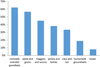 |
Fig. 1 Types of groundbaits most commonly used by anglers (% of responses - multiple choice option). |
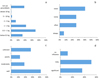 |
Fig. 2 Declared groundbaits amounts used per day of fishing (% of responses) – a; frequency of using fishmeal-based bait products (% of responses) – b; anglers’ familiarity with the concept of eutrophication (% of responses) – c; anglers’ assessment of the environmental impact of baiting (% of responses) – d. |
3.2 Groundbait composition
Significant differences were detected among groundbaits in the concentrations of carbon, nitrogen, phosphorus, and total protein (p < 0.05; Tab. 1). Carp-oriented mixtures generally had the highest nitrogen and protein concentrations due to fishmeal-based ingredients. In contrast, roach and bream mixtures had lower nutrient concentrations because they were dominated by plant-derived components. Carbon content ranged from 39.35% to 47.15%, with the highest values observed in Cp4, Cp3, and Bm1. The lowest carbon content was recorded in Bm3. The highest nitrogen (6.82 ± 0.49%) and protein (40.47 ± 3.06%) concentrations were recorded in Cp4. Elevated nitrogen and phosphorus levels were also observed in Cp2. In contrast, Bm3 exhibited the lowest nitrogen, phosphorus, and protein contents. Overall, carp-oriented groundbaits consistently showed the highest concentrations of biogenic elements. Heavy metal concentrations differed significantly among samples (p < 0.05; Tab. 2). Sample Cp3 contained the highest mercury concentration, while the lowest mercury levels were found in Bm1. Cadmium concentrations were highest in Cp2 and lowest in Bm1, Bm3, and Bm4. The highest lead concentrations were recorded in Bm2 and Rch3, whereas Bm1 showed the lowest Pb content. Arsenic concentrations exhibited the greatest variability, with Cp1 containing substantially higher levels than all other samples.
PERMANOVA analysis revealed significant differences in both the overall chemical composition (pseudo-F = 6.623; R2 = 0.595; p = 0.0099) and heavy metal profiles (pseudo-F = 2.956; R2 = 0.396; p = 0.0071) among groundbait types. Carp-type groundbaits differed significantly from both bream and roach groundbaits, whereas no significant differences were observed between bream and roach groundbaits (p > 0.05).
Significant correlations were identified between nutrient content (particularly N and P) and selected heavy metals, especially Cd and As (Tab. 3). PCA analysis (Fig. 3) showed that the first two components together explained 76.20% of the total variability of the studied traits. Carp-type groundbaits were grouped mainly on the positive side of the PC1 axis and were associated with higher contents of protein, N, P, and heavy metals, i.e., Hg, Cd, and As. In contrast, groundbaits intended for bream and roach showed greater similarity, although some samples differed in terms of C and Pb content.
Mean (± SD) contents (%): carbon (C), nitrogen (N), phosphorus (P), and total protein in the analysed groundbaits. Values within columns followed by different lowercase superscript letters differ significantly at p < 0.05. Differences among groundbait types within columns are indicated by different uppercase letters (A, B) at p < 0.05.
Mean (± SD) concentrations of heavy metals (Hg, Cd, Pb, As) in the analysed groundbaits (ppm). Mean values (± SD) for groundbait types (carp, bream, and roach) are shown in bold. Values within columns followed by different lowercase superscript letters differ significantly at p < 0.05. Differences among groundbait types within columns are indicated by different uppercase letters (A, B) at p < 0.05.
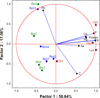 |
Fig. 3 Principal component analysis (PCA) for the chemical composition of groundbaits intended for bream, carp, and roach, taking into account the content of C, N, P, protein, Hg, Cd, Pb, and As. Red circle: confidence limit (95%) for identification of outlier samples; Red lines: principal component axes (Factor 1 and Factor 2), center of the coordinate system; Blue vectors: variable loadings, showing how strongly and in what direction individual variables influence the main components of PCA. |
Results of PERMANOVA and Spearman correlations between the basic composition and the concentration of heavy metals in groundbaits (Bm, Cp, Rch) intended for different fish species (bream, carp and roach respectively).
3.3 Short-term nutrient release by groundbait
Dissolved oxygen concentrations declined over time in both control and treatment tanks. However, oxygen depletion was markedly greater in tanks containing groundbait, particularly in the Cp4 treatment, where concentrations decreased to 1.0 mg O2/L after 24 h. In contrast, oxygen levels in control tanks remained above 7.7 mg O2/L. The addition of groundbait resulted in immediate increases in BOD5 and COD. BOD5 increased by approximately 6 mg O2/L within 20 min of bait addition, while COD increased from ∼7.4 to ∼33 mg O2/L and remained stable thereafter. Initial concentrations of TP, TN, and TOC were low but increased rapidly following bait addition (Fig. 4). Phosphorus concentrations increased 9- to 30-fold, with the highest values observed in the carp groundbait treatment (Fig. 4a). Nitrogen and TOC concentrations increased up to threefold (respectively, Figs. 4b and 4c). Water pH remained slightly alkaline throughout the experiment, with minor decreases observed in treatment tanks. Electrical conductivity increased immediately following bait addition and remained elevated relative to controls.
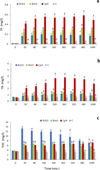 |
Fig. 4 Changes in total phosphorus (TP) – a, total nitrogen (TN) – b, and total organic carbon (TOC) – c, in tanks during the experiment following the addition of the groundbait mixtures Rch3 (roach), Bm3 (bream), and Cp4 (carp). C: control group (no groundbait). Bars marked with different lowercase letters (within the same time point) differ significantly at p < 0.05. |
4 Discussion
4.1 Main findings
The present study demonstrates that recreational groundbaiting can be a significant pathway for nutrients and trace metals to enter freshwater ecosystems. Through a combination of angler survey data, chemical analyses of commercially available groundbaits, and a controlled laboratory experiment, this study provides an integrated assessment of baiting practices and their potential environmental implications. Compared to Czarkowski et al. (2021), this study is based on a larger sample size obtained via an online questionnaire. However, this approach entails limitations, including the overrepresentation of highly active online anglers and the underrepresentation of those less active or not using the internet. Consequently, anglers using passive techniques (e.g., feeder or float fishing), who are more likely to use groundbait, may be overrepresented, while those employing active methods (e.g., lure fishing) may be underrepresented, potentially leading to an overestimation of groundbait use. Obtaining a fully representative sample in hobby-based groups is inherently difficult, which is why similar online methods are commonly used in angling research (Skrzypczak & Karpiński, 2020; Karpiński & Skrzypczak, 2021; Hawrylik & Kiryluk, 2024; Czarkowski et al., 2025). Nevertheless, as the results are based on internet users, caution is needed when generalizing them to all Polish anglers. Earlier studies also faced sampling biases, such as the overrepresentation of Polish Angling Association members (Czarkowski et al., 2021).
4.2 Use of groundbait in recreational fisheries
The proportion of anglers using groundbaits and the quantities applied may change over time. Previous research on angling in Poland revealed that more than 80% of anglers used branded bait available in tackle shops, while fewer than 50% used homemade bait (Czarkowski et al., 2021). In the current study, only 62% of anglers reported using ready-made branded baits, which is a decrease compared to the previous study. However, the amount of bait used has decreased compared to previous studies. Czarkowski et al. (2021) estimated that the average angler uses 2.7 kg of bait in a single day.
In the 1990s, this proportion increased to over 53%, with an average use of about 1 kg per angler per day (Wołos et al., 1992). During the first decade of the 21st century, both the prevalence and intensity of baiting increased further: approximately 66% of anglers reported using groundbaits, with mean daily quantities reaching 2.2 kg (Wołos and Mioduszewska, 2003). Reported quantities of groundbait use vary widely across fisheries and countries. For instance, studies from Germany estimated an average of approximately 7.3 kg per angler per year for the entire angling population (Arlinghaus, 2004; Arlinghaus & Niesar, 2005). However, studies focusing specifically on carp anglers estimated much higher quantities, reaching approximately 215 kg per angler per year (Niesar et al., 2004). In Hungary, average groundbait use has been estimated at around 1.5 kg per angler per day (Boros et al., 2022). More recent Polish data indicate further increases, with mean daily bait quantities reaching 2.7 kg and more than 80% of anglers reporting groundbait use (Czarkowski et al., 2021).
In comparison with these earlier studies, the present survey yielded lower declared frequencies and quantities of groundbait use. Only 37% of surveyed anglers reported frequent baiting, and more than half declared using no more than 1 kg per day. However, these differences should be interpreted with caution because the studies differ in their sampling strategies, respondent structures, and survey contexts. Notably, the present study used an online questionnaire.
Comparable patterns were observed by Boros et al. (2022), who reported that 65% of anglers fishing at Lake Balaton used no more than 2 kg of groundbait per day. Nevertheless, even under these more conservative usage patterns, the cumulative nutrient load introduced via groundbait remains substantial. Assuming that the average Polish angler fishes approximately 50 days per year and that the total angling population is about 1.5 million individuals (Czarkowski et al., 2021), it can be estimated that several tens of thousands of tonnes of groundbait are introduced annually into Polish inland waters. These values are comparable to estimates reported for Germany and Hungary (Arlinghaus, 2004; Boros et al., 2022) and indicate that baiting may represent a potentially significant, yet often overlooked, source of nutrient inputs to freshwater ecosystems.
Our results demonstrate that most Polish anglers rely primarily on complete, branded, ready-to-prepare fine-grained loose groundbait mixtures purchased from specialised angling retailers. Similar trends have been reported in Portugal, particularly during angling competitions (Amaral et al., 2013; Amaral et al., 2015), while in Hungary approximately 38% of anglers use such products (Boros et al., 2022). The proportion of anglers using complete branded mixtures may vary depending on angling specialisation and site characteristics, as suggested by Imbert et al. (2025). Their increasing popularity is likely driven by high availability, relatively low cost, perceived effectiveness, and ease of use (Czarkowski and Kapusta, 2019). Preparation typically involves moistening the dry mixture with water, often adding soil or clay to increase weight, forming balls of approximately 100 mm in diameter, and introducing them into the fishing area, where food particles are gradually released (Kapusta and Czarkowski, 2022).
The survey results further indicate that more than 40% of anglers did not use high-protein, fishmeal-based products, while fewer than 7% reported using them consistently. Although fishmeal-enriched bait products are widely used across Europe, they are predominantly associated with anglers targeting carp and other large cyprinids, such as barbel (Bašić et al., 2015; Gutmann et al., 2017; De Santis et al., 2019; Imbert et al., 2022). In contrast, anglers targeting smaller cyprinids, such as roach, rarely employ such products (Imbert et al., 2025), likely due to their lower effectiveness for attracting small native species.
Eutrophication is a widespread global phenomenon and is increasingly recognised as a major threat to water quality, biodiversity, and ecosystem functioning (Smith et al., 1999; Schindler et al., 2008; MacDonald et al., 2016). It also entails substantial socioeconomic consequences (Xue and Landis, 2010; Huang et al., 2020). Despite this, anglers’ awareness of eutrophication varies considerably. In the present study, over 40% of respondents declared familiarity with the concept, whereas nearly 28% reported no knowledge of it. This heterogeneity likely reflects the diverse sociodemographic composition of the angling community (Czarkowski et al., 2021). Importantly, although most anglers acknowledged that baiting affects water quality and the environment, approximately half perceived its impact as relatively minor. Properly designed angler education and training programmes have the potential to improve environmental awareness, particularly among younger anglers (Delle Palme et al., 2016; Morales et al., 2020).
4.3 Nutrients and heavy metals in groundbaits
Laboratory analyses revealed nitrogen concentrations ranging from 1.37% to 6.82% of dry mass, with the highest values recorded in carp-oriented mixtures. Similarly, phosphorus concentrations were highest in carp groundbaits containing fishmeal, reflecting their high protein content. Imbert et al. (2025) found that the nutrient content of fishing bait varies depending on the type of fishery. For example, they found that the nutrient content ranged from 0.5 (±0.2 SD) kg/ha/yr of nitrogen and 0.1 (±0.0) kg/ha/yr of phosphorus in specialized roach fisheries to 10.2 (±9.3) kg/ha/yr of nitrogen and 1.6 (±1.5) kg/ha/yr of phosphorus in specialized carp fisheries. These results suggest that carp-oriented mixtures are the most nutrient-rich category of groundbaits and could contribute disproportionately to nutrient inputs in intensively baited fisheries.
All analysed groundbaits contained detectable concentrations of heavy metals, including mercury, cadmium, lead, and arsenic, with the highest levels observed in carp-type mixtures. This likely reflects the presence of fishmeal, which is known to contain elevated heavy metal concentrations (Murthy et al., 2013; Janbakhsh et al., 2018). Heavy metal accumulation in fish depends on feeding strategies and trophic transfer within food webs (Tao et al., 2012).
Although the detected concentrations did not exceed the maximum permissible levels for fish feed established by Directive 2002/32/EC, repeatedly introducing such materials into aquatic ecosystems may create a chronic pathway for trace metals to enter sediments and aquatic food webs.
4.4 Short-term nutrient release under experimental conditions
Biogenic substances were released rapidly following the introduction of groundbaits into water, as demonstrated by the aquarium experiment. Total phosphorus concentrations increased by up to 30-fold relative to initial levels, while total nitrogen and total organic carbon increased approximately threefold. Comparable rapid phosphorus release has been reported for carp pellets by Fazekas et al. (2023). Although nutrient concentrations generally followed the sequence roach < bream < carp groundbaits, total organic carbon showed a different pattern, with the highest values recorded for the roach mixture. This likely reflects differences in the degradability of organic components rather than nutrient content alone.
The aquarium experiment has inherent limitations due to its controlled laboratory conditions, utilizing fixed water volumes, treated tap water, and a single bait dose. This design choice, while enabling precise measurement of nutrient release kinetics, does not fully replicate the complexities of natural aquatic ecosystems. Consequently, the experiment should not be interpreted as a direct simulation of natural ecosystem responses. Rather, it provides insight into short-term nutrient release dynamics following groundbait introduction and highlights differences among bait types under controlled conditions. The laboratory experiment provides insight into short-term nutrient release dynamics following groundbait introduction. While the controlled conditions do not fully replicate natural ecosystems, the results help identify processes that may occur in localized baiting areas.
4.5 Implications for freshwater management
Despite the clear eutrophication potential of groundbaits, relatively few studies have evaluated their effects at the ecosystem scale. Amaral et al. (2013) found no significant deterioration of ecological status in a Portuguese reservoir despite intensive baiting during angling competitions. However, they emphasised that system-specific characteristics strongly influence vulnerability. In contrast, long-term studies at Lake Balaton demonstrated substantial nutrient inputs associated with baiting, resulting in a positive nutrient balance and net ecosystem enrichment (Boros et al., 2022). Similar conclusions were drawn by Niesar et al. (2004), who estimated that phosphorus inputs from carp angling far exceeded realistic nutrient removal through fish harvest.
Research shows that high-protein carp groundbait containing fishmeal is the most potentially harmful type of groundbait. This is confirmed by the work of Imbert et al. (2022) and, indirectly, by their other work (Imbert et al., 2025). These groundbaits have the highest nutrient and heavy metal content, primarily mercury, and have a potentially greater impact on oxygen depletion in the water.
The nutrient balance becomes even more problematic in the context of the widespread adoption of catch-and-release practices. While catch-and-release supports fish stock conservation and angling quality (Arlinghaus et al., 2007), it does not contribute to nutrient removal. When combined with intensive baiting, this practice may undermine water quality and ecosystem integrity. Several authors have therefore suggested limiting catch-and-release in heavily baited fisheries or replacing nutrient-rich bait components with low-nutrient mineral additives such as clay or soil (Arlinghaus and Mehner, 2003; Niesar et al., 2004).
Not only the amount of bait used by anglers becomes important, but also its composition, in particular the phosphorus content (Imbert et al., 2022), which can also promote the growth of cyanobacteria (Isles et al., 2017). As Imbert et al. (2022) point out, baiting may have a greater negative impact on small eutrophic reservoirs than on large oligotrophic lakes, especially during periods of high productivity.
5 Conclusions
Recreational groundbaiting may be a previously underestimated source of nutrients and trace metals in freshwater ecosystems. The analysed commercial groundbaits contained high concentrations of nitrogen and phosphorus that were rapidly released into the water during the experiment, leading to measurable changes in physicochemical parameters. The presence of heavy metals in all analyzed groundbaits indicates an overlooked mechanism for introducing trace metals into aquatic environments, especially in fisheries where fishmeal-based mixtures are commonly used.
While individual anglers typically use small amounts of groundbait, the total amount used nationwide could contribute significantly to nutrient loads and potentially lead to eutrophication in sensitive bodies of water. These findings suggest that the use of groundbait should be explicitly considered in freshwater protection strategies and recreational fisheries management. Reducing the use of nutrient-rich mixtures in heavily baited fisheries and improving environmental awareness among anglers may help mitigate potential impacts.
Since the laboratory experiment was conducted under controlled conditions, additional field studies are necessary to quantify the long-term ecological consequences of groundbait use in natural freshwater ecosystems.
Funding
This work was supported by the National Inland Fisheries Research Institute (research topic no. Z-003) and projects KPOD.01.19-IP.04-0021/23, RYB.rs.070.2024 and RYB.rs.070.2025.
Conflicts of interest
The authors declare no competing interests.
Data availability statement
The datasets generated during and/or analyzed during the current study are available from the corresponding author on reasonable request.
Author contribution statement
Conceptualization, T.K.C., A.K. and K.K.; investigation, T.K.C., A.K., K.K. and A.H.-B.; methodology, T.K.C., A.K., K.K., J.N., N.M, P.C, K.B and K.S.; resources, T.K.C., A.K. and K.K.; data curation, T.K.C., K.K., A.H.-B., K.S., N.M and J.N.; writing—original draft preparation, T.K.C; writing—review and editing T.K.C., A.K., K.K., A.H.-B., J.N. and K.S.; visualization, T.K.C., A.H.-B. and J.N.; supervision, T.K.C. and K.K. All authors have read and agreed to the published version of the manuscript.
Supplementary Material
Table S1. Characteristics of the groundbait products used in the study. Access Supplementary Material
References
- Akinnawo SO. 2023. Eutrophication: causes, consequences, physical, chemical and biological techniques for mitigation strategies. Environ Challenges 12: 100733. [Google Scholar]
- Ali H, Khan E. 2018. Bioaccumulation of non-essential hazardous heavy metals and metalloids in freshwater fish. Risk to human health. Environ Chem Lett 16: 903–917. [Google Scholar]
- Alós J, Mateu-Vicens G, Palmer M, et al. 2009. Performance of circle hooks in a mixed-species recreational fishery. J Appl Ichthyol 25: 565–570. [Google Scholar]
- Alós J. 2009. Mortality impact of recreational angling techniques and hook types on Trachynotus ovatus (Linnaeus, 1758) following catch-and-release. Fish Res 95: 365–369. [Google Scholar]
- Amaral SD, Brito D, Ferreira MT, Neves R, Franco A. 2013. Modeling water quality in reservoirs used for angling competition: can groundbait contribute to eutrophication? Lake Reserv Manage 29: 257–269. [Google Scholar]
- Amaral SD, Franco A, Ferreira MT. 2015. Moderate biomanipulation for eutrophication control in reservoirs using fish captured in angling competitions. Knowl Manag Aquat Ecosyst 416: 14. [Google Scholar]
- Arlinghaus R, Aas Ø, Alós J, et al. 2021. Global participation in and public attitudes towards recreational fishing: international perspectives and developments. Rev Fish Sci Aquac 1: 58–95. [Google Scholar]
- Arlinghaus R, Cooke SJ, Lyman J, et al. 2007. Understanding the complexity of catch-and-release in recreational fishing: an integrative synthesis of global knowledge from historical, ethical, social, and biological perspectives. Rev Fish Sci 15: 75–167. [Google Scholar]
- Arlinghaus R, Cooke SJ. 2009. Recreational fisheries: socioeconomic importance, conservation issues and management challenges. In: Dickson B, Hutton J, Adams WM, eds. Recreational Hunting, Conservation and Rural Livelihoods: Science and Practice, Oxford: Blackwell Publishing Ltd., pp. 39–58. [Google Scholar]
- Arlinghaus R, Mehner T. 2003. Socio-economic characterisation of specialised common carp (Cyprinus carpio L.) anglers in Germany and implications for inland fisheries management and eutrophication control. Fish Res 61: 19–33. [CrossRef] [Google Scholar]
- Arlinghaus R, Niesar M. 2005. Nutrient digestibility of angling baits for carp, Cyprinus carpio, with implications for groundbait formulation and eutrophication control. Fish Manag Ecol 12: 91–97. [Google Scholar]
- Arlinghaus R. 2004. Recreational fisheries in Germany – a social and economic analysis. Berichte des IGB 18: 1–160. (in German) [Google Scholar]
- Bašić T, Britton JR, Jackson MC, Reading P, Grey J. 2015. Angling baits and invasive crayfish as important trophic subsidies for a large cyprinid fish. Aquat Sci 77: 153–160. [CrossRef] [Google Scholar]
- Bell DV, Odin N, Torres E. 1985. Accumulation of angling litter at game and coarse fisheries in South Wales. Biol Conserv 34: 369–379. [Google Scholar]
- Bergström L, Karlsson M, Bergström U, Phil L, Kraufvelin P. 2019. Relative impacts of fishing and eutrophication on coastal fish assessed by comparing a no-take area with an environmental gradient. Ambio 48: 565–579. [Google Scholar]
- Boros G, Mozsár A, Specziár A. 2022. Management options for the unfavorable nutrient balance of recreational fishing in Lake Balaton (Hungary). Ecosyst Health Sustain 8: 2095928. [Google Scholar]
- Bosch AC, O’Neill B, Sigge GO, Kerwath SE, Hoffman LC. 2016. Heavy metals in marine fish meat and consumer health: a review. J Sci Food Agric 96: 32–48. [Google Scholar]
- Bower SD, Kooner H, Ludwig H, et al. 2017. Diel patterns of hooking depth for active and passive angling methods for two freshwater teleost fishes. Bull Mar Sci 93: 507–517. [Google Scholar]
- Britton JR, Cucherousset J, Dominguez AV. 2022. Novel trophic subsidies from recreational angling transform the trophic ecology of freshwater fishes. J Appl Ecol 59: 2373–2385. [Google Scholar]
- Brownscombe JW, Danylchuk AJ, Chapman JM, Gutowsky LFG, Cooke SJ. 2017. Best practices for catch-and-release recreational fisheries – angling tools and tactics. Fish Res 186: 693–705. [CrossRef] [Google Scholar]
- Christie WJ. 1972. Lake Ontario: effects of exploitation, introductions, and eutrophication on the salmonid communities. J Fish Res Bd Canada 29: 913–929. [Google Scholar]
- Cooke SJ, Cowx IG. 2006. Contrasting recreational and commercial fishing: searching for common issues to promote unified conservation of fisheries resources and aquatic environments. Biol Conserv 128: 93–108. [CrossRef] [Google Scholar]
- Cooke SJ, Cowx IG. 2004. The role of recreational fisheries in global fish crises. BioScience 54: 857–859. [CrossRef] [Google Scholar]
- Cowx IG, Arlinghaus R, Cooke SJ. 2010. Harmonizing recreational fisheries and conservation objectives for aquatic biodiversity in inland waters. J Fish Biol 76: 2194–2215. [CrossRef] [PubMed] [Google Scholar]
- Cryer M, Corbett JJ, Winterbotham MD. 1987. The deposition of hazardous litter by anglers at coastal and inland fisheries in South Wales. J Environ Manage 25: 125–135. [Google Scholar]
- Cryer M, Edwards RW. 1987. The impact of angler groundbait on benthic invertebrates and sediment respiration in a shallow eutrophic reservoir. Environ Pollut 46: 137–150. [Google Scholar]
- Czarkowski TK, Kapusta A, Nowosad J, Hakuć-Błażowska A, Duda A, Kupren K. 2025. Catch-and-release fishing: a case study in Poland. Water 17, 1448. [Google Scholar]
- Czarkowski TK, Kapusta A. 2019. The impact of angling experience on the efficiency of float fishing using different hook types. Fish Aquat Life 27: 41–46. [Google Scholar]
- Czarkowski TK, Wołos A, Kapusta A. 2021. Socio-economic portrait of Polish anglers: implications for recreational fisheries management in freshwater bodies. Aquat Living Resour 34: 19. [Google Scholar]
- de Carvalho AR, Imbert A, Parker B, et al. 2021. Microplastic in angling baits as a cryptic source of contamination in European freshwaters. Sci Rep 11: 11255. [Google Scholar]
- De Santis V, Gutmann RC, Britton JR. 2019. Influences of angler subsidies on the trophic ecology of European barbel Barbus barbus. Fish Res 214: 35–44. [Google Scholar]
- Delle Palme CA, Nguyen VM, Gutowsky LFG, Cooke SJ. 2016. Do fishing education programs effectively transfer ‘catch-and-release’ best practices to youth anglers yielding measurable improvements in fish condition and survival? Knowl Manag Aquat Ecosyst 417: 42. [Google Scholar]
- Djedjibegovic J, Marjanovic A, Tahirovic D, et al. 2020. Heavy metals in commercial fish and seafood products and risk assessment in adult population in Bosnia and Herzegovina. Sci Rep 10: 13238. [Google Scholar]
- Fazekas DL, Antal L, Halasi‑Kovács B, et al. 2023. Acute effects of angler’s groundbaits: nutrient flux to water column. Sci Rep 13: 17691. [Google Scholar]
- Freire KM, Machado ML, Crepaldi D. 2012. Overview of inland recreational fisheries in Brazil. Fisheries 37: 484–494. [CrossRef] [Google Scholar]
- García-Lestón J, Méndez J, Pásaro E, Laffon B. 2010. Genotoxic effects of lead: an updated review. Environ Int 36: 623–636. [Google Scholar]
- Gutmann RC, Bašić T, Amat TF, Britton JR. 2017. Trophic consequences for riverine cyprinid fishes of angler subsidies based on marine-derived nutrients. Freshw Biol 62: 894–905. [Google Scholar]
- Hardenbicker P, Rolinski S, Weitere M, Fischer H. 2014. Contrasting long-term trends and shifts in phytoplankton dynamics in two large rivers. Int Rev Hydrobiol 99: 287–299. [Google Scholar]
- Hawrylik K, Kiryluk H. 2024. Fishing preferences of Poles and their impact on tourism development. Acad. Manag. 8: 359–382. (In Polish) [Google Scholar]
- Huang Y, Ciais P, Goll DS, et al. 2020. The Shift of phosphorus transfers in global fisheries and aquaculture. Nat Commun 11: 355. [Google Scholar]
- Ibisch R, Austnes K, Borchardt D, et al. 2016. European assessment of eutrophication abatement measures across land-based sources, inland, coastal and marine waters. ETC/ICM Technical Report 2, 95 p. [Google Scholar]
- Imbert A, Beisel J-N, Boulêtreau S, Cucherousset J. 2024. Angling bait consumption and stable isotope niche of two cyprinids in different lake fisheries. Freshw Biol 69: 823–832. [Google Scholar]
- Imbert A, Boulêtreau S, Beisel J-N, Cucherousset J. 2025. Quantitative estimates of nutrient inputs from angling baits in lakes supporting different recreational fisheries. Fish Manag Ecol 32: 282–289. [Google Scholar]
- Imbert A, Cucherousset J, Parthuisot N, Boulêtreau S. 2022. Elemental composition and microbial decomposition of different angling baits. Fish Manag Ecol 29: 552–559. [Google Scholar]
- Isles PDF, Xu Y, Stockwell JD, Schroth AW. 2017. Climate- driven changes in energy and mass inputs systematically alter nutrient concentration and stoichiometry in deep and shallow regions of Lake Champlain. Biogeochemistry 133: 201–217. [Google Scholar]
- Janbakhsh S, Hosseini Shekarabi SP, Shamsaie Mergan M. 2018. Nutritional value and heavy metal content of fishmeal from the Southwest Caspian Sea. Caspian J Environ Sci 16: 307–317. [Google Scholar]
- Jia Y, Wang L, Qu Z, Wang C, Yang Z. 2017. Effects on heavy metal accumulation in freshwater fishes: species, tissues, and sizes. Environ Sci Pollut Res 24: 9379–9386. [Google Scholar]
- Johnson TP. 2014. Snowball sampling: introduction. In: Wiley StatsRef: Statistics Reference Online. John Wiley & Sons, Ltd. https://doi.org/10.1002/9781118445112.stat05720. [Google Scholar]
- Kapusta A, Czarkowski TK. 2022. Influence of hook type on performance, hooking location, injury, and reflex action mortality predictors in float recreational angling for cyprinids: a case study in northeastern Poland. Fish Res 254, 106390. [Google Scholar]
- Karpiński EA, Skrzypczak AR. 2021. Environmental preferences and fish handling practice among European freshwater anglers with different fishing specialization profiles. Sustainability 13: 13167. [Google Scholar]
- Łuczyńska J, Nowosad J, Łuczynski MJ, Kucharczyk D. 2023. Evaluation of chemical elements, lipid profiles, nutritional indices and health risk assessment of European Eel (Anguilla anguilla L.). Int J Environ Res Public Health 20: 2257. [Google Scholar]
- MacDonald GK, Jarvie HP, Withers PJA, et al. 2016. Guiding phosphorus stewardship for multiple ecosystem services. Ecosyst Health Sustain 2: e01251. [Google Scholar]
- Marshall RJ. 2005. Food and nutritional analysis, dairy products. Encycl Anal Sci 312–319, https://doi.org/10.1016/B0-12-369397-7/00183-7. [Google Scholar]
- Mehner T, Rapp T, Monk CT, et al. 2019. Feeding aquatic ecosystems: whole-lake experimental addition of angler's ground bait strongly affects omnivorous fish despite low contribution to lake carbon budget. Ecosystems 22: 346–362. [CrossRef] [Google Scholar]
- Morales NA, Paudyal R, Hughes C. 2020. Creating life-long anglers: impacts of a high school fishing program on youth fishing, related knowledge, confidence and perception of barriers. Knowl Manag Aquat Ecosyst 421: 3. [Google Scholar]
- Murthy LN, Mohan CO, Ravishankar CN, Badonia R. 2013. Biochemical quality and heavy metal content of fish meal and squid meal. Indian J Fish 60: 113–117. [Google Scholar]
- Niesar M, Arlinghaus R, Rennert B, Mehner T. 2004. Coupling insights from a carp, Cyprinus Carpio, angler survey with feeding experiments to evaluate composition, quality and phosphorus input of groundbait in coarse fishing. Fish Manag Ecol 11: 225–235. [Google Scholar]
- Nowosad J, Czarkowski TK, Kapusta A, et al. 2026. Heavy metal bioaccumulation in European Eels (Anguilla anguilla) from the Odra and Vistula River Basins (Poland): implications for environmental and food safety. Animals 16: 287. [Google Scholar]
- Rosińska J, Gołdyn R. 2018. Response of vegetation to growing recreational pressure in the shallow Raczyńskie Lake. Knowl Manag Aquat Ecosyst 419: 1. [Google Scholar]
- Sass GG, Shaw SL. 2019. Catch-and-release influences on inland recreational fisheries. Rev Fish Sci Aquac 28: 211–227. [Google Scholar]
- Schindler DW, Hecky RE, Findlay DL, et al. 2008. Eutrophication of lakes cannot be controlled by reducing nitrogen input: results of a 37-year whole-ecosystem experiment. PNAS 105: 11254–11258. [Google Scholar]
- Skrzypczak AR, Karpiński EA. 2020. New insight into the motivations of anglers and fish release practices in view of the invasiveness of angling. J Environ Manag 271: 111055. [Google Scholar]
- Smith VH, Tilman GD, Nekola JC. 1999. Eutrophication: impacts of excess nutrient inputs on freshwater, marine, and terrestrial ecosystems. Environ Pollut 100: 179–196. [Google Scholar]
- Sullivan CL, Meyer KA, Schill DJ. 2013. Deep hooking and angling success when passively and actively fishing for stream-dwelling trout with baited J and circle hooks. N Am J Fish Manage 33: 1–6. [Google Scholar]
- Tao Y, Yuan Z, Xiaona H, Wei M. 2012. Distribution and bioaccumulation of heavy metals in aquatic organisms of different trophic levels and potential health risk assessment from Taihu lake, China. Ecotoxicol Environ Saf 81: 55–64. [Google Scholar]
- Wołos A, Mioduszewska H. 2003. Impact of anglers using groundbaits on fishing effects and nutrient balance of aquatic ecosystems. Komun Ryb 1: 23–27. [Google Scholar]
- Wołos A, Teodorowicz M, Grabowska K. 1992. Effect of ground baiting on anglers’ catches and nutrient budget of water bodies as exemplified by Polish lakes. Aqua Fish Manage 23: 499–509. [Google Scholar]
- Xue X, Landis AE. 2010. Eutrophication potential of food consumption patterns. Environ Sci Technol 44: 6450–6456. [Google Scholar]
Cite this article as: Czarkowski TK, Nowosad J, Stawecki K, Kupren K, Hakuć-Błażowska A, Bryszewski K, Mariańska N, Chmieliński P, Kapusta A. 2026. Fishing groundbaits as an under-recognised source of nutrients and heavy metals in freshwater ecosystems. Knowl. Manag. Aquat. Ecosyst., 427, 16. https://doi.org/10.1051/kmae/2026009
All Tables
Mean (± SD) contents (%): carbon (C), nitrogen (N), phosphorus (P), and total protein in the analysed groundbaits. Values within columns followed by different lowercase superscript letters differ significantly at p < 0.05. Differences among groundbait types within columns are indicated by different uppercase letters (A, B) at p < 0.05.
Mean (± SD) concentrations of heavy metals (Hg, Cd, Pb, As) in the analysed groundbaits (ppm). Mean values (± SD) for groundbait types (carp, bream, and roach) are shown in bold. Values within columns followed by different lowercase superscript letters differ significantly at p < 0.05. Differences among groundbait types within columns are indicated by different uppercase letters (A, B) at p < 0.05.
Results of PERMANOVA and Spearman correlations between the basic composition and the concentration of heavy metals in groundbaits (Bm, Cp, Rch) intended for different fish species (bream, carp and roach respectively).
All Figures
|
Fig. 1 Types of groundbaits most commonly used by anglers (% of responses - multiple choice option). |
| In the text | |
|
Fig. 2 Declared groundbaits amounts used per day of fishing (% of responses) – a; frequency of using fishmeal-based bait products (% of responses) – b; anglers’ familiarity with the concept of eutrophication (% of responses) – c; anglers’ assessment of the environmental impact of baiting (% of responses) – d. |
| In the text | |
|
Fig. 3 Principal component analysis (PCA) for the chemical composition of groundbaits intended for bream, carp, and roach, taking into account the content of C, N, P, protein, Hg, Cd, Pb, and As. Red circle: confidence limit (95%) for identification of outlier samples; Red lines: principal component axes (Factor 1 and Factor 2), center of the coordinate system; Blue vectors: variable loadings, showing how strongly and in what direction individual variables influence the main components of PCA. |
| In the text | |
|
Fig. 4 Changes in total phosphorus (TP) – a, total nitrogen (TN) – b, and total organic carbon (TOC) – c, in tanks during the experiment following the addition of the groundbait mixtures Rch3 (roach), Bm3 (bream), and Cp4 (carp). C: control group (no groundbait). Bars marked with different lowercase letters (within the same time point) differ significantly at p < 0.05. |
| In the text | |
Current usage metrics show cumulative count of Article Views (full-text article views including HTML views, PDF and ePub downloads, according to the available data) and Abstracts Views on Vision4Press platform.
Data correspond to usage on the plateform after 2015. The current usage metrics is available 48-96 hours after online publication and is updated daily on week days.
Initial download of the metrics may take a while.